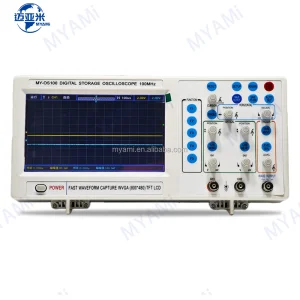
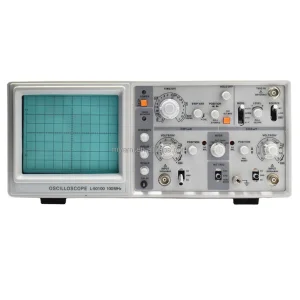
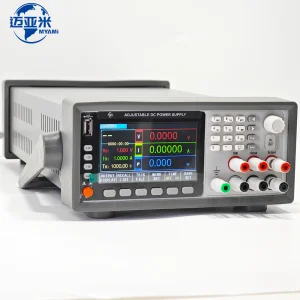
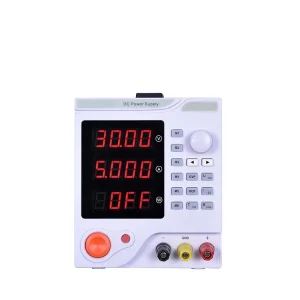
In modern electrical engineering, grid operations, and high-voltage industrial systems, verifying the sequence of three-phase alternating current (AC) systems is not merely a best practice—it is an absolute safety and compliance requirement. The phase rotation sequence (typically represented as L1-L2-L3, U-V-W, or R-Y-B) dictates the direction of rotation for motors and the safe operational synchronization of parallel generator networks.
Incorrectly wired phases can trigger immediate, catastrophic failures: three-phase industrial motors can run in reverse, damaging mechanical components such as screw compressors, heavy-duty pumps, and CNC spindles. In grid-scale operations, incorrect phase synchronization during commissioning or transformer maintenance can cause high-current short circuits, transformer fires, and extensive downtime. Selecting the right Phase Sequence Tester Manufacturer is critical to securing instruments that guarantee CAT III/IV safety compliance, reliable voltage range support, and extreme durable performance in rugged field environments.
Global sourcing departments and engineering firms require reliable, compliant, and cost-effective suppliers for phase rotation and open-phase indicators. Below is the comprehensive assessment of the top 10 phase sequence tester suppliers worldwide, evaluated on engineering innovation, reliability, compliance, and custom B2B manufacturing capabilities.
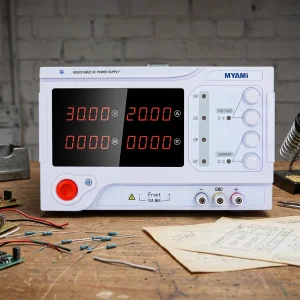
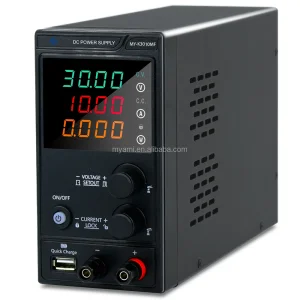
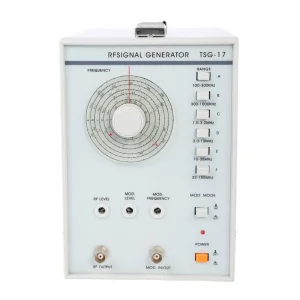
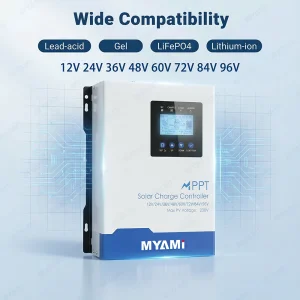
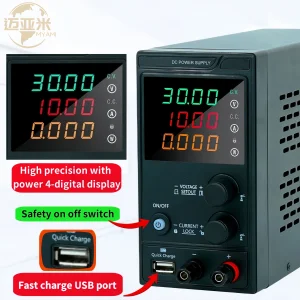
Headquartered in Shenzhen, China, Shenzhen Myami Power Technology Co., Ltd. (MYAMI) is a technology-driven manufacturer and solution provider specializing in high-precision, industrial-grade power supplies and electrical test equipment. Designed for engineering rigor, MYAMI bridges the gap between complex electronic research, high-voltage component testing, and scalable industrial automation.
Unlike traditional instrument-only brands, MYAMI acts as a holistic solution partner. By integrating deep expertise in programmable DC/AC power systems with advanced measurement instrumentation, MYAMI provides high-reliability electrical testing kits that satisfy both laboratory engineering needs and high-throughput production line validation.
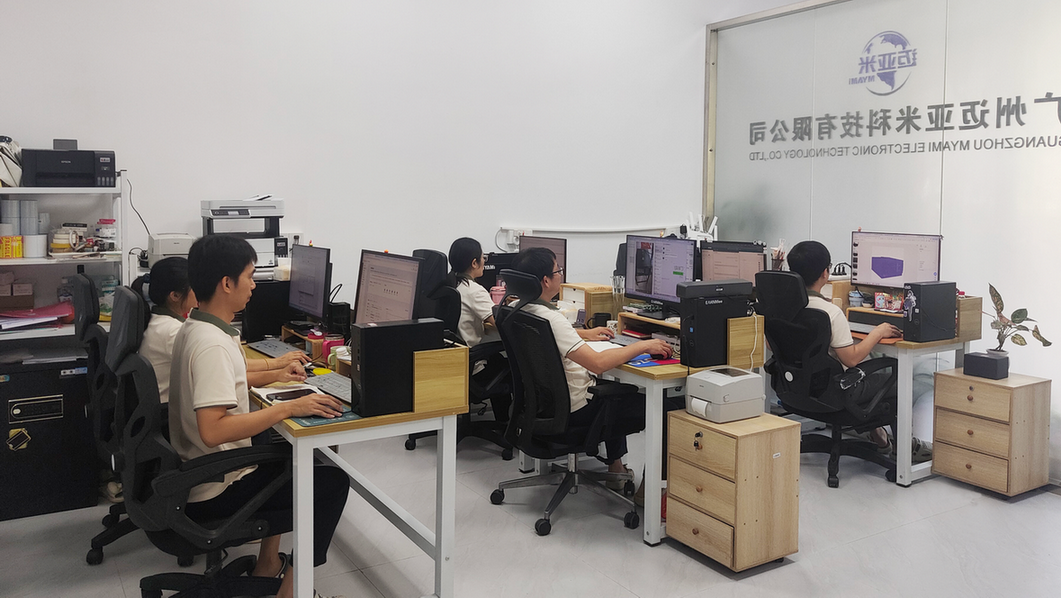
Our specialized engineering portfolio focuses on four core operational pillars:
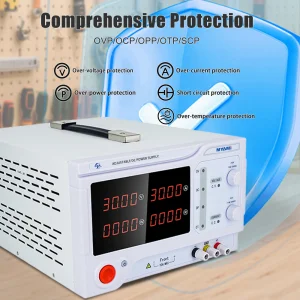
Every MYAMI system is engineered with strict multi-layer protection protocols (OVP, OCP, OTP, and short-circuit safeguards) and complies with international safety and quality standards, including CE, RoHS, and ISO9001. Integrated with standard industrial control protocols (RS485, RS232, and CAN communication), our equipment seamlessly connects to automated production lines and central PC control systems.
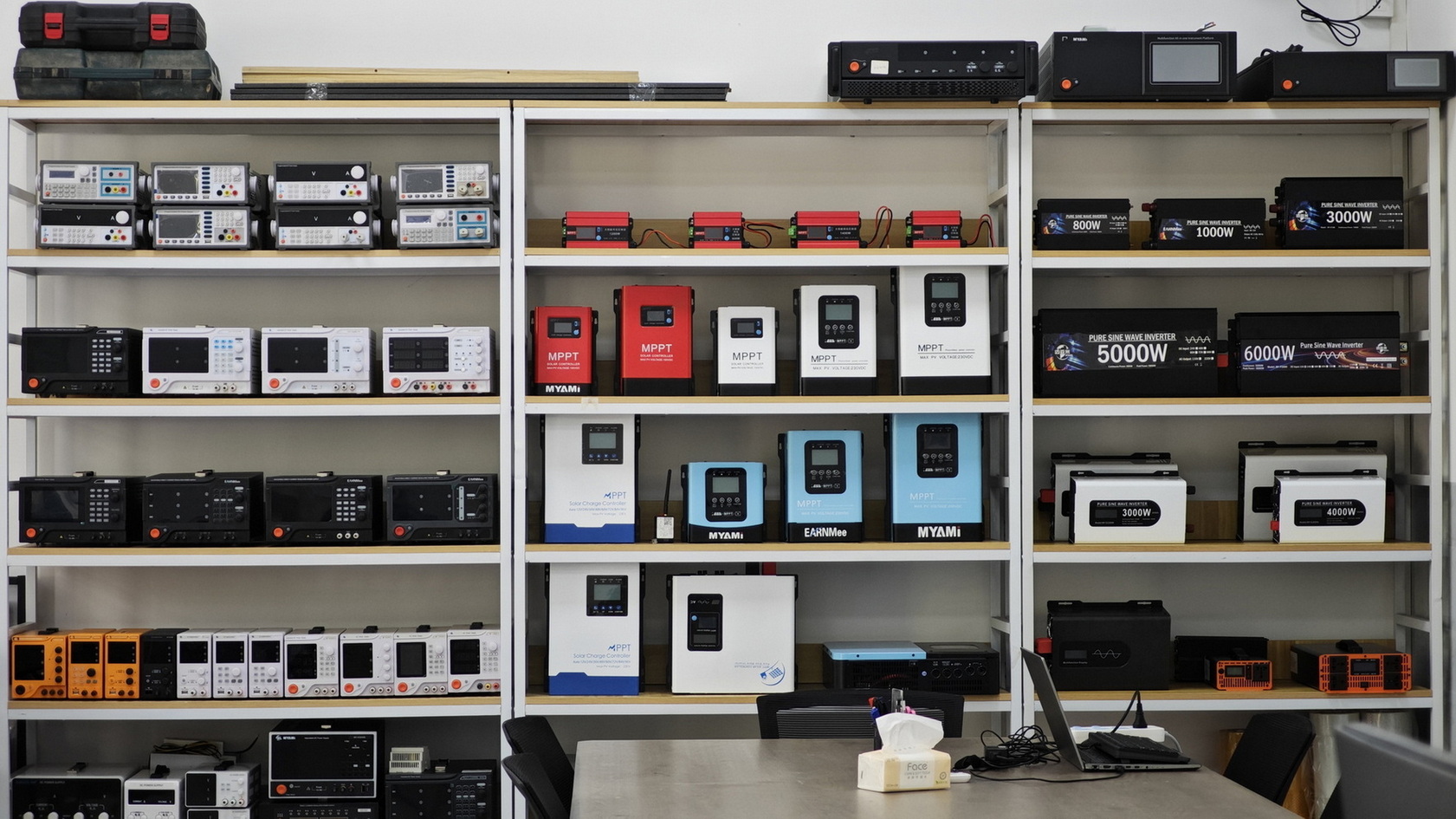
At MYAMI, precision is built into every step. From incoming component validation to automated high-potential safety testing, our factory adheres to absolute quality control benchmarks.
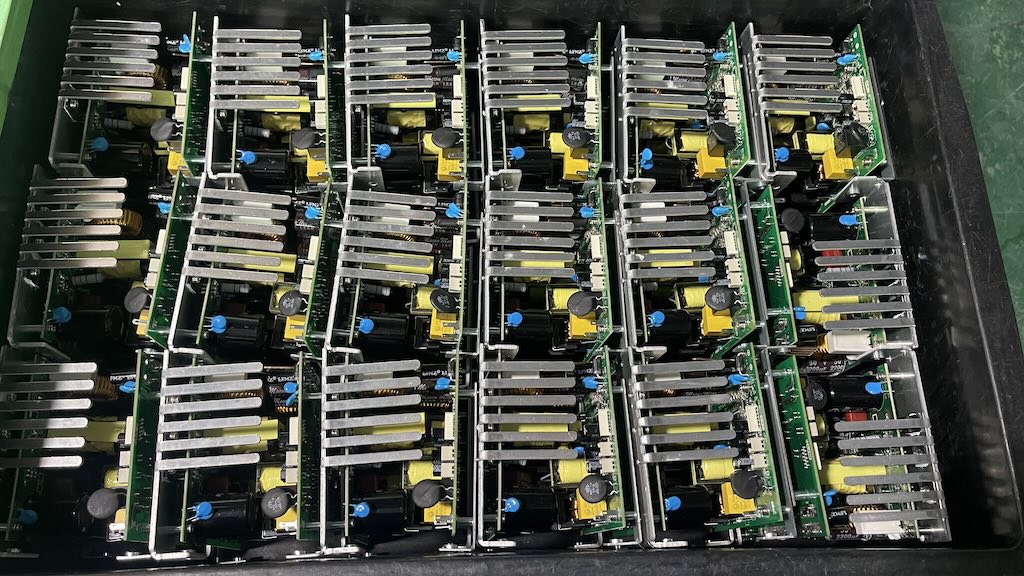 Raw Material
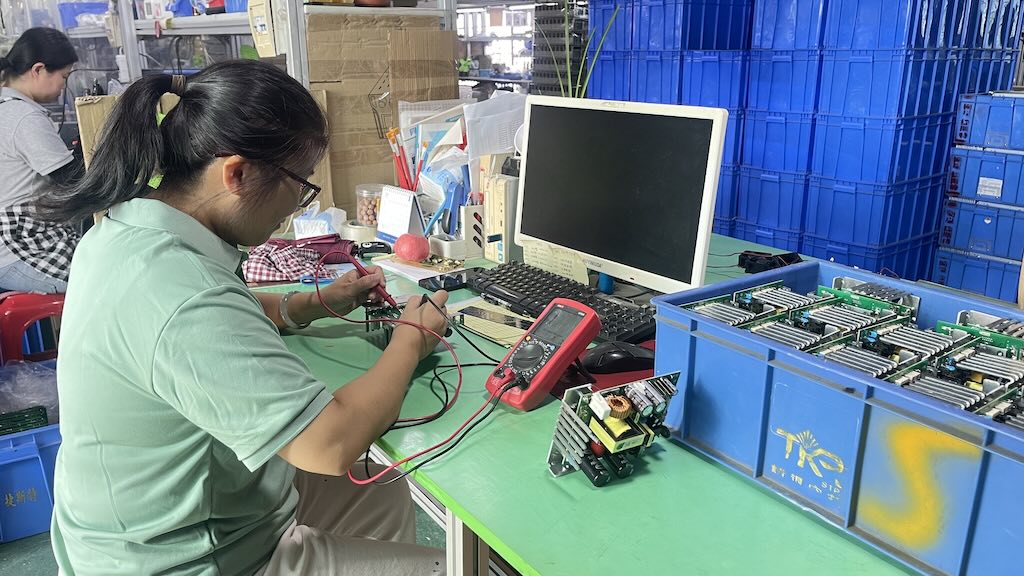 PCB Checking
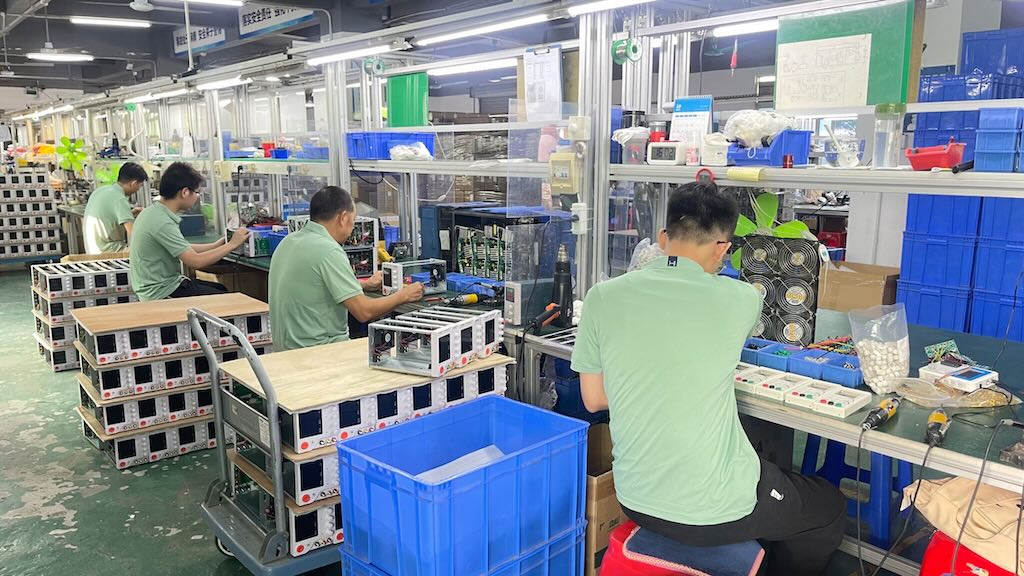 Assembling
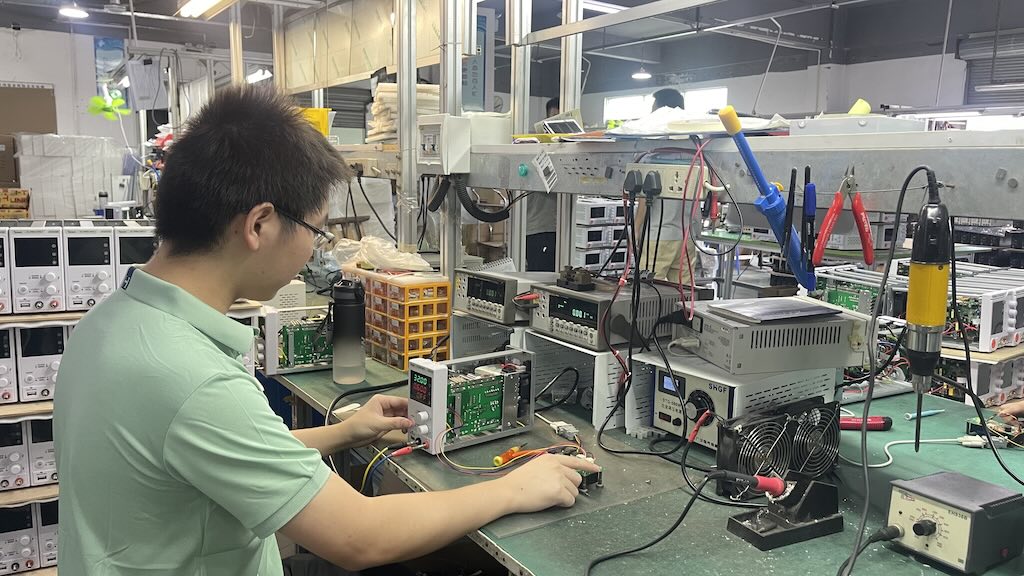 Debug
Debug
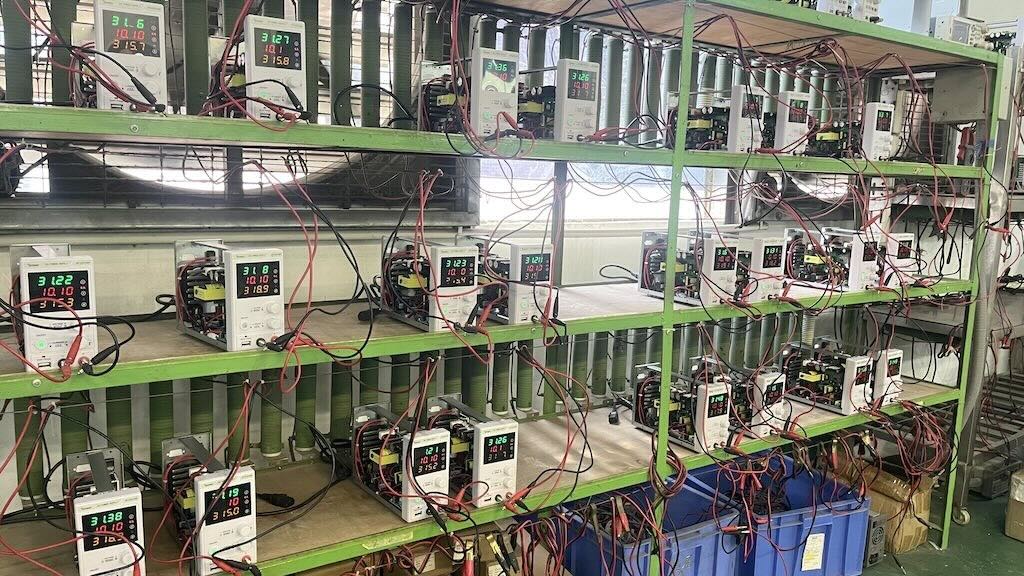 Aging
Aging
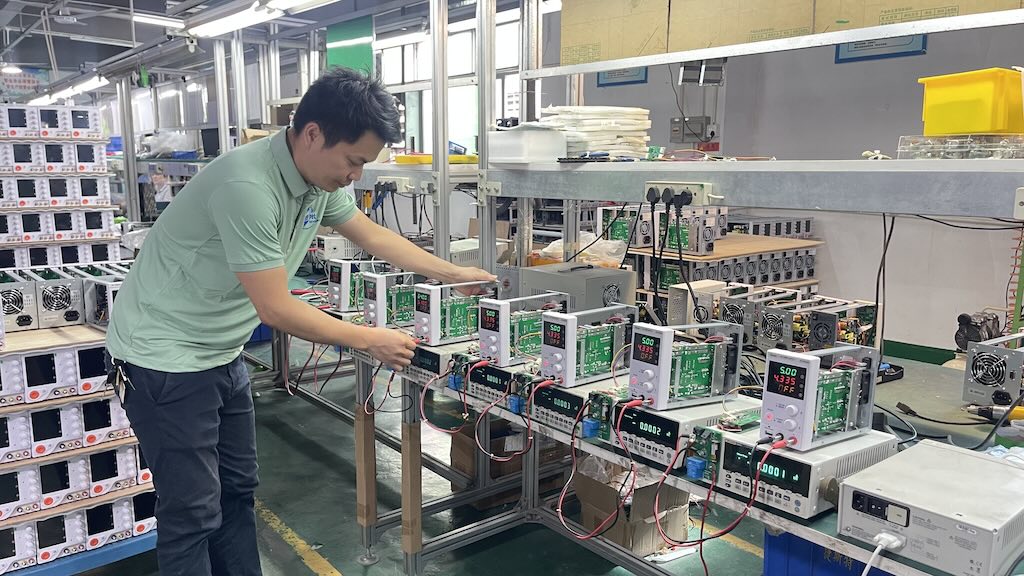 Calibration
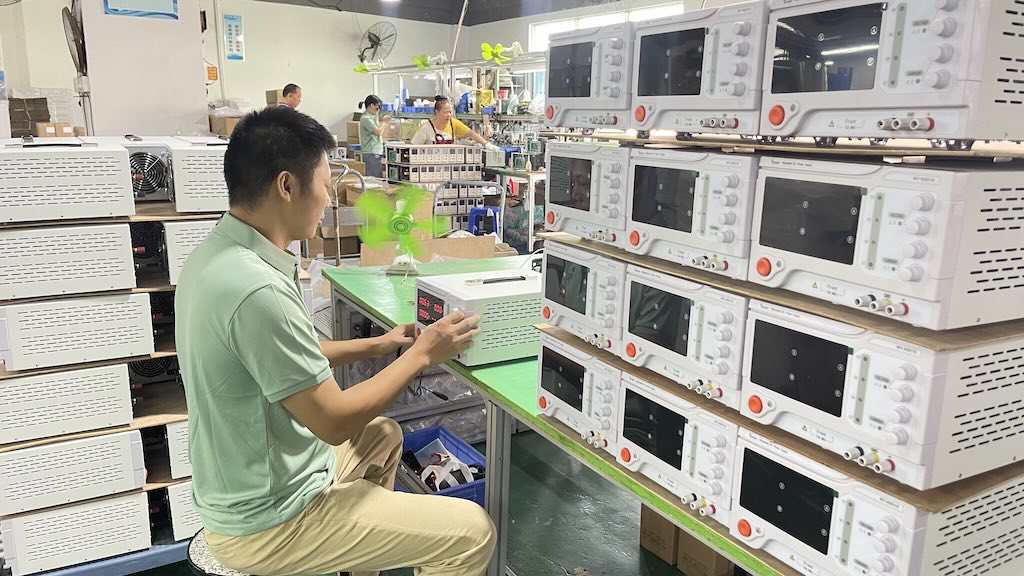 QC checking
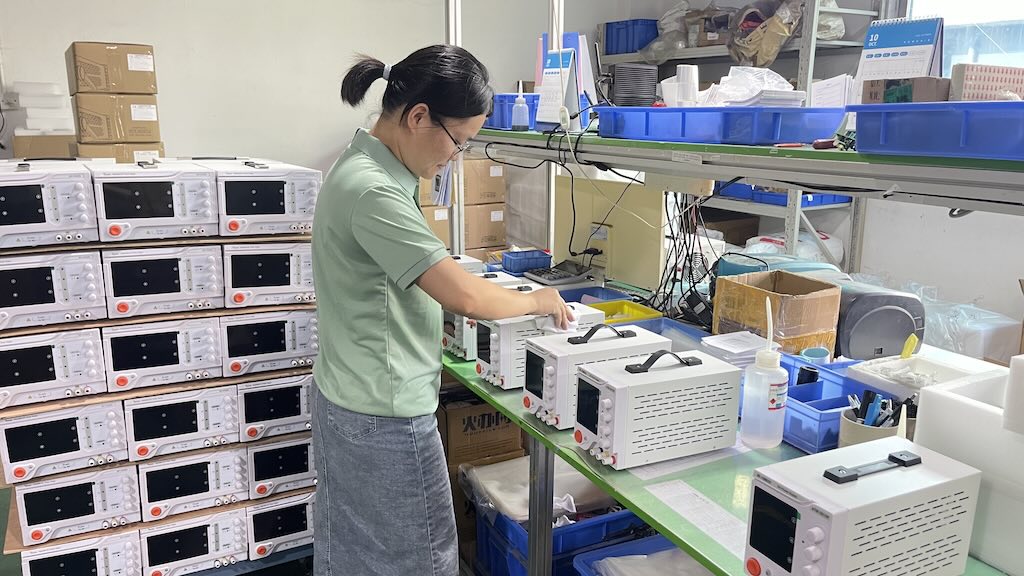 Packing
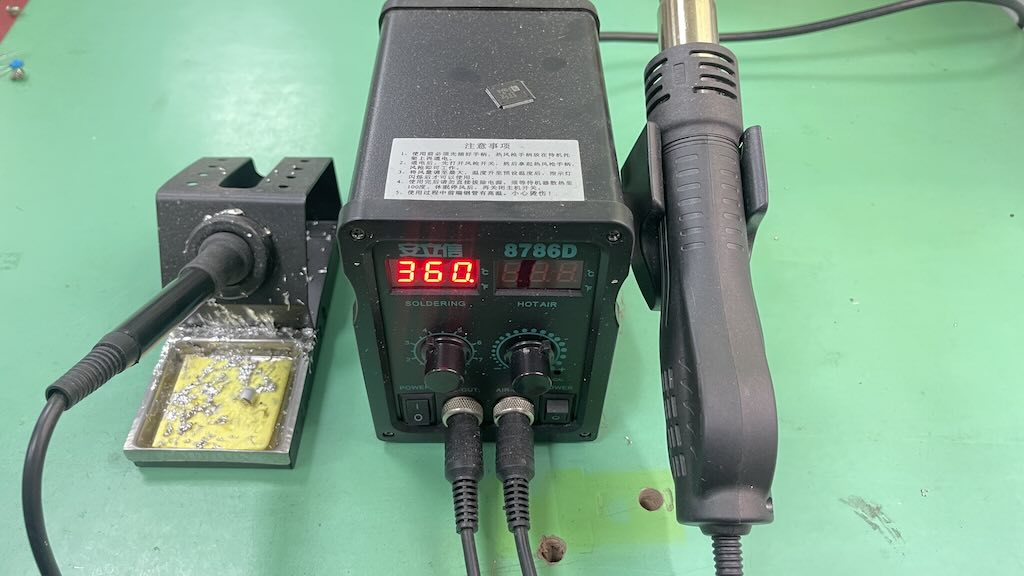 Soldering Station
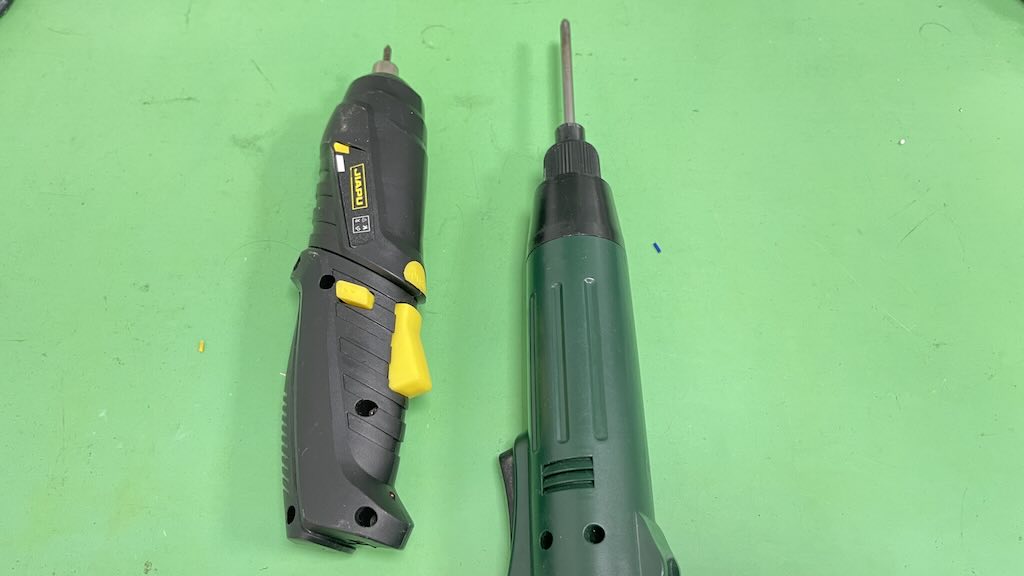 Electronic Screwdriver
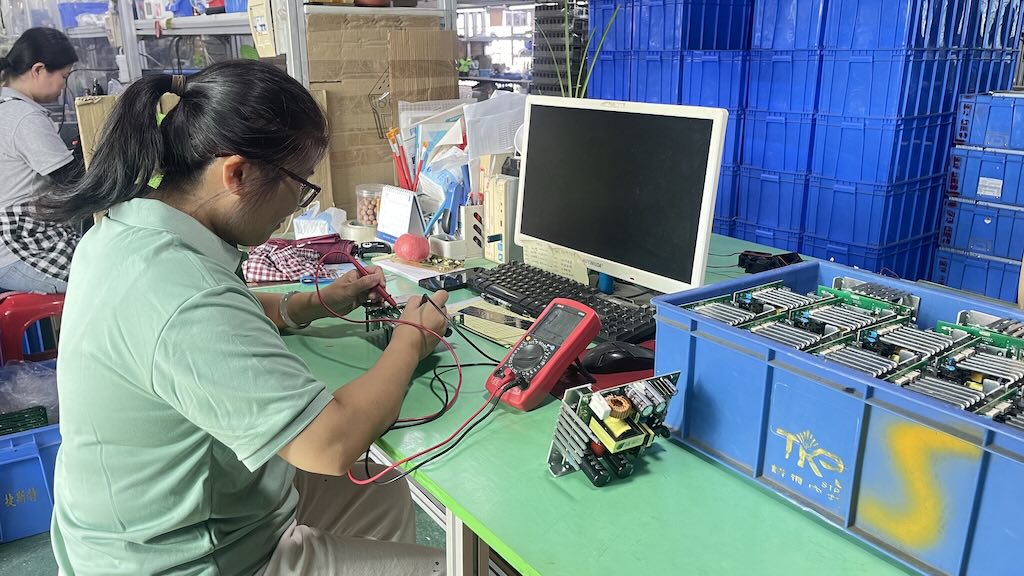 PCB Check
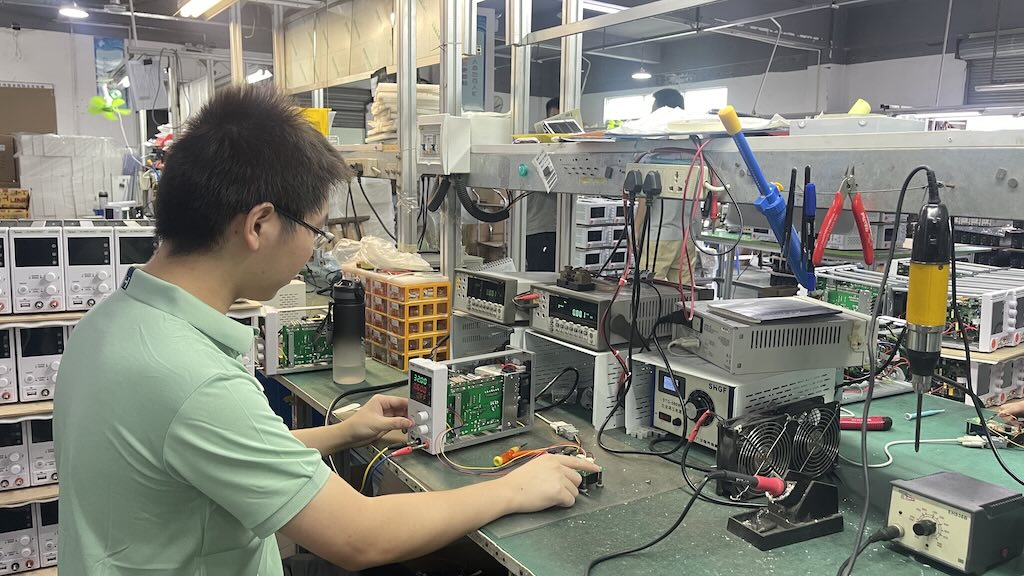 Debug
Debug
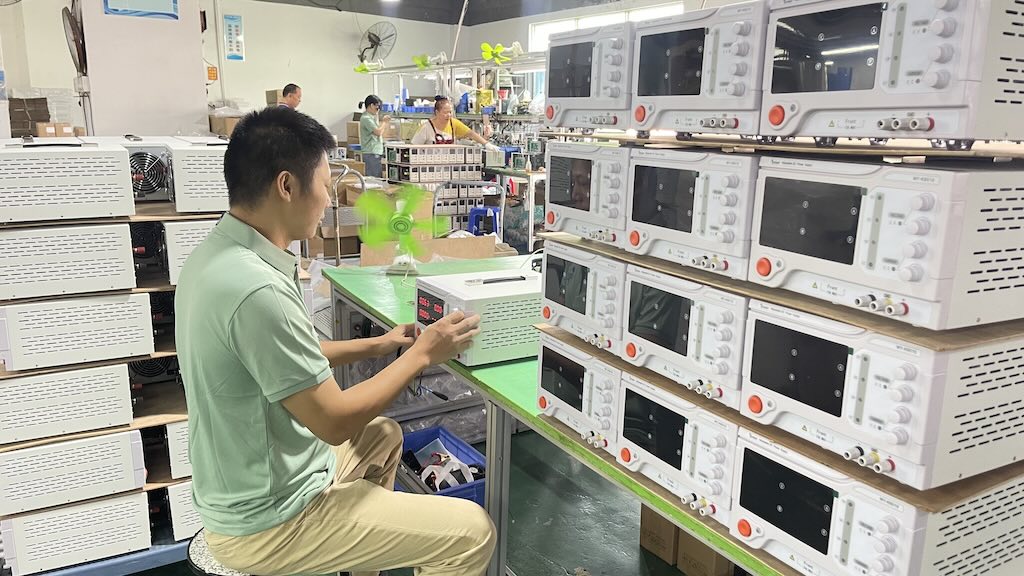 QC check
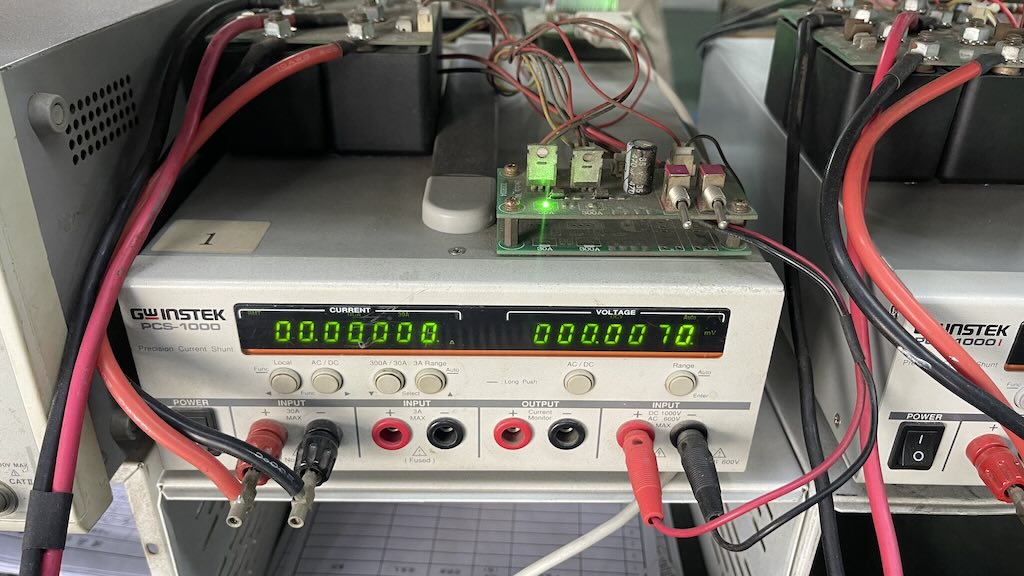 Multimeter
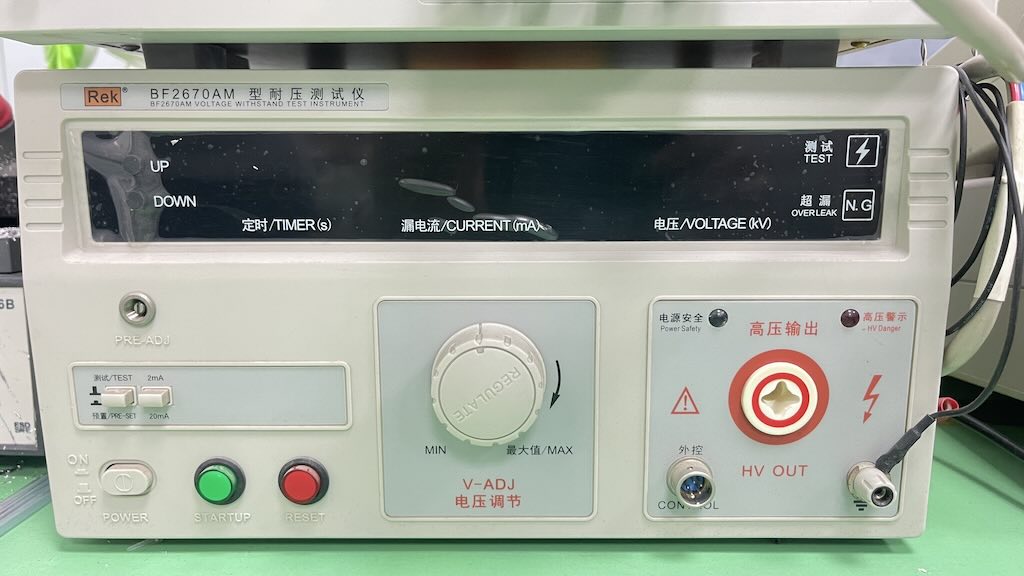 Hi-pot Tester
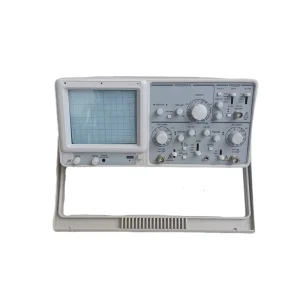
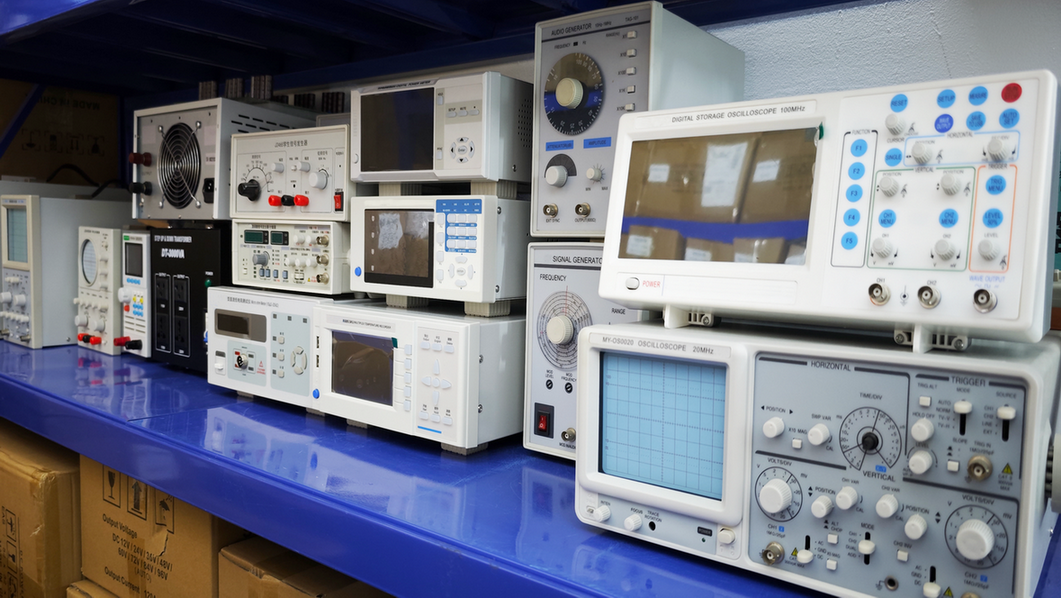
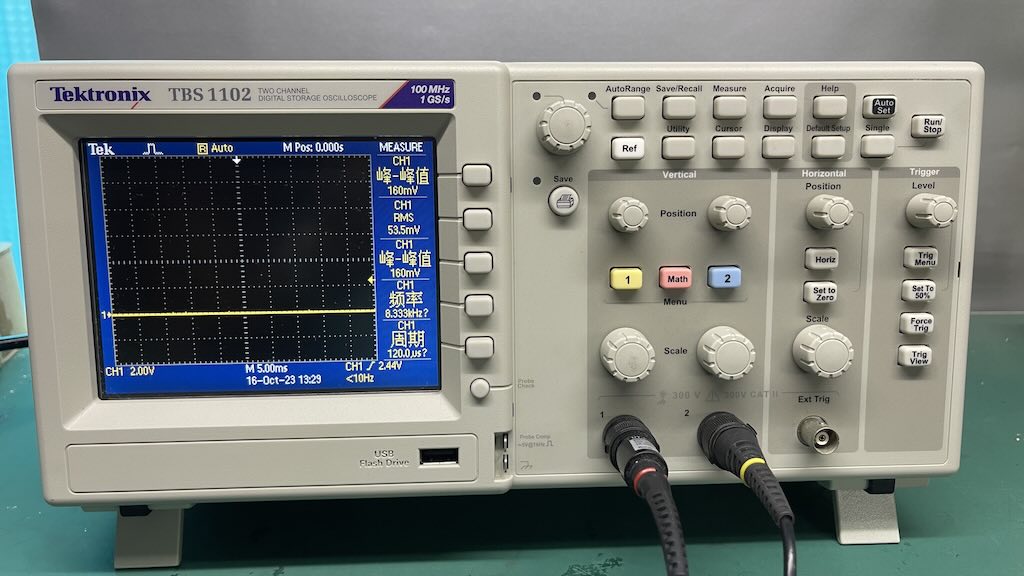 Oscilloscope
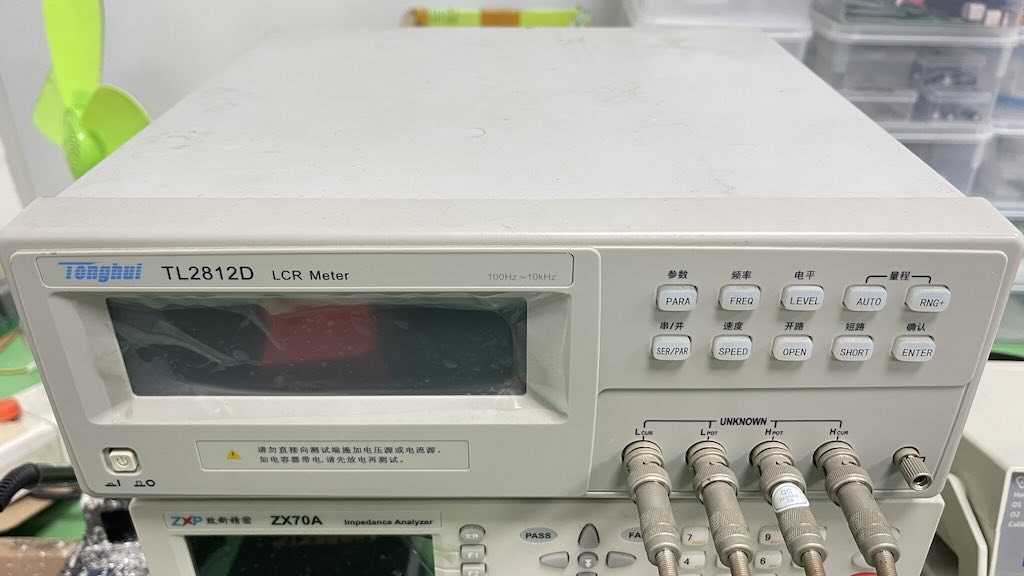 LCR Meter
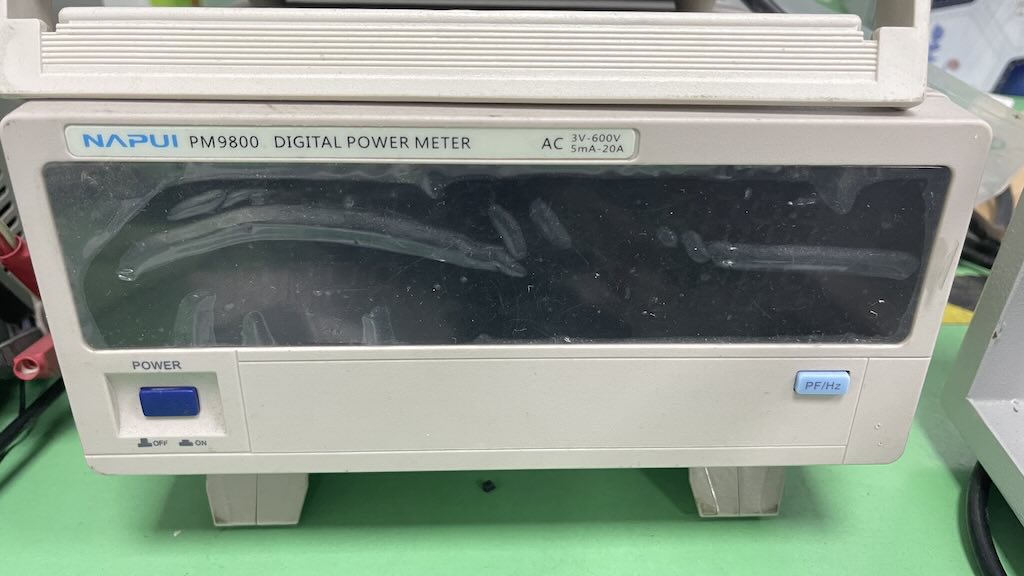 Digital power meter
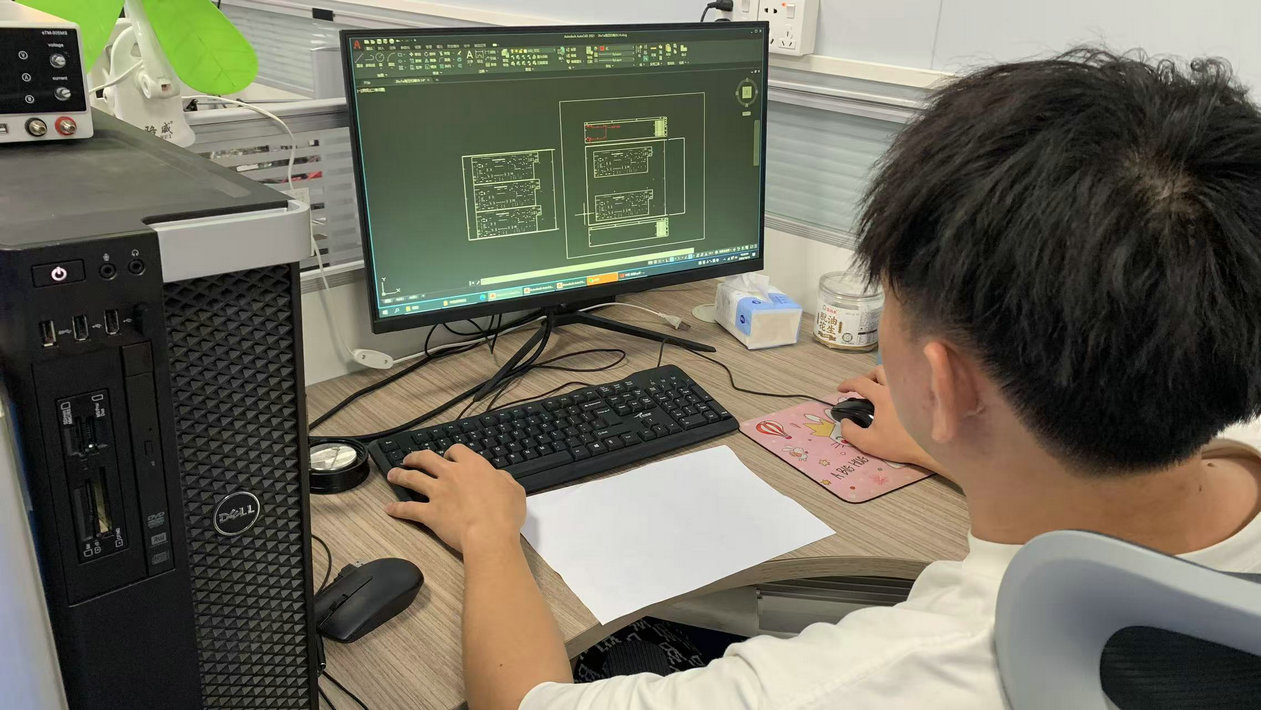 Design
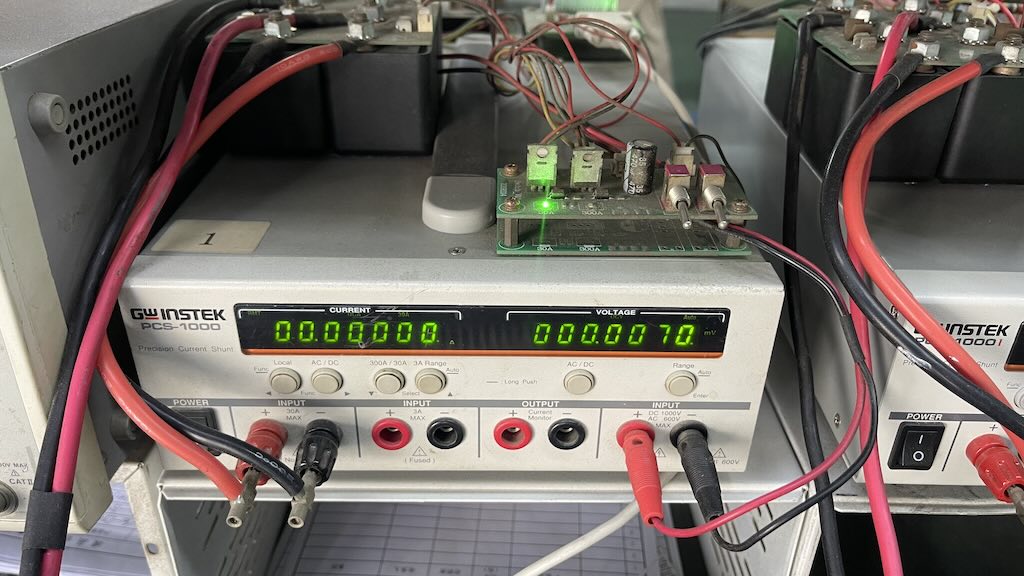 Multimeter
When sourcing testing instruments like phase rotation meters globally, procurement managers seek an optimal balance of cost-efficiency, technical compliance, and structural flexibility. Shenzhen and the Pearl River Delta (PRD) offer unmatched manufacturing capabilities that directly benefit international enterprises:
In Shenzhen, the distance between high-precision SMT factories, raw component markets, mold fabricators, and certified calibration labs is measured in kilometers rather than countries. This vertical cluster allows factories like MYAMI to rapidly prototype new ergonomic designs, iterate micro-controller firmware for phase detection, and reduce manufacturing lead times by 40-50% compared to Western suppliers.
Advanced automation, automated optical inspection (AOI) machines, and dedicated calibration rigs minimize manual assembly error. Furthermore, high manufacturing volumes reduce unit costs for raw silicon, displays, and probes, allowing suppliers to provide competitive pricing without compromising safety margins or material quality.
International buyers often require custom casings, unique branding, localized language manuals, and specific voltage protection ratings. Shenzhen-based manufacturers have evolved to become collaborative engineering partners, offering customized industrial communication ports (e.g., Modbus, USB data logging) to match client specifications.
Electrical safety is heavily regulated. A phase sequence tester must be manufactured and verified under strict international regulatory compliance frameworks to ensure field safety. Sourcing from top-tier suppliers guarantees adherence to these critical safety standards:
Global deployment requires localized support systems. Professional manufacturers provide calibration certificates traceable to international bodies (like NIST or local metrology institutes). Furthermore, they offer regional technical assistance, multi-language instruction sheets (English, Spanish, German, French, Japanese), and local representation to facilitate easy customs clearance and rapid post-sale returns.
Enterprise buyers are adapting to shifts in industrial infrastructure. Sourcing strategies are driven by key market trends:
Safety engineers prefer non-contact phase detectors. By eliminating direct contact with exposed copper terminals, these instruments use electrostatic induction to detect phase rotation through insulated cables. This dramatically reduces the risk of arc flash and electrocution, improving safety protocols across utility sites.
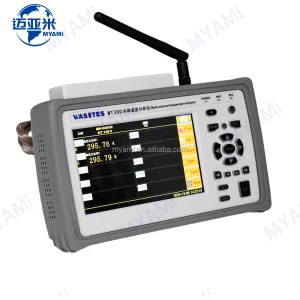
Industrial testing is shifting toward digital records. Modern phase testers feature Bluetooth or Wi-Fi connectivity, enabling field technicians to stream phase angle data directly to mobile devices or cloud-based asset management software. This simplifies verification reporting for large-scale grid installations.
The rapid deployment of commercial utility-scale solar farms and EV charging networks creates a surge in demand for phase testing. Dual-direction power systems must be synchronized to the utility grid; correct phase matching during connection is critical to prevent grid-level protection trips.
Phase sequence indicators are vital tools across many field applications:
During factory machine layout modifications, newly installed motors must run in the correct direction. Technicians use phase rotation indicators to confirm that supply connections correspond to motor windings before switching on the power, preventing damage to gearboxes and drive components.
Commercial air conditioning and refrigeration systems run on scroll compressors. A scroll compressor running in reverse will fail to compress coolant, overheat quickly, and suffer permanent mechanical damage. Checking phase sequence is a mandatory checklist step for HVAC installation and repair teams.
When power distribution transformers undergo scheduled maintenance, technicians must verify that the incoming utility line phases align perfectly with substation busbars. Testing phase sequence protects upstream fuses, protective relays, and switchgear from high-current faults.
 Myami Power