Explore our premium instrumentation portfolio designed for engineering verification, circuit diagnostics, and power validation.

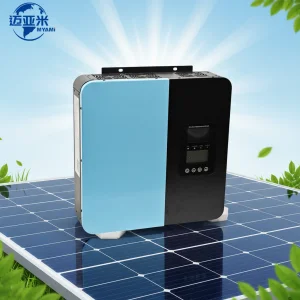
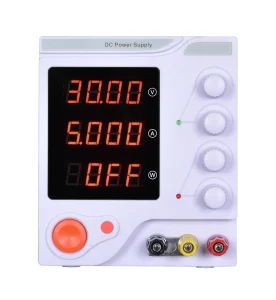
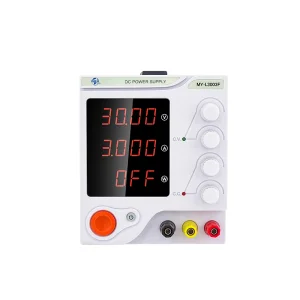
Headquartered in the global electronics manufacturing epicenter of Shenzhen, China, Shenzhen Myami Power Technology Co., Ltd. (MYAMI) is a technology-driven manufacturer and solution provider specializing in high-precision, industrial-grade power supplies, custom PCB assembly, and sophisticated electrical test equipment.
Designed for rigorous engineering deployment, MYAMI effectively bridges the structural gaps between complex electronic research, high-voltage component testing, and scalable industrial automation systems. Through a decade of experience, we have structured our engineering capabilities to support Custom OEM Development Board fabrication and system-level electronic configurations.
Every single MYAMI system is built around integrated hardware protections (including OVP, OCP, OTP, and short-circuit safe states) conforming strictly to CE, RoHS, and ISO9001 standards. Integrated with industrial control and communication buses (RS485, RS232, and CAN), our power solutions and development frameworks sync flawlessly into larger automated assembly lines.
Our comprehensive portfolio and customizable development capabilities cover high-precision test instrumentation through to renewable infrastructure validation.
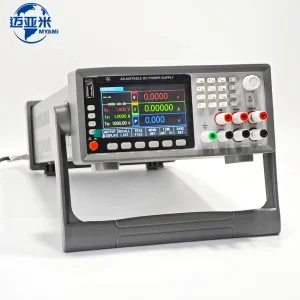
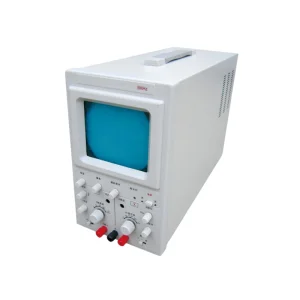
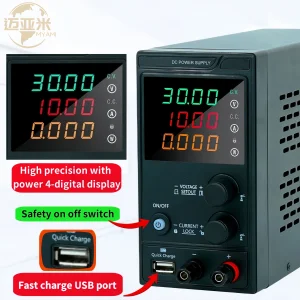
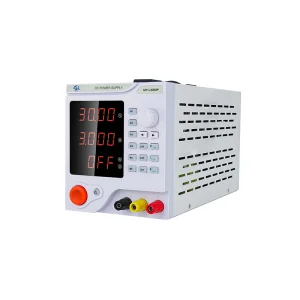
Equipped with multi-digit LED/LCD readouts, ultra-low ripple topologies, and nanosecond-level transient response profiles, these units are specifically optimized for precision semiconductor characterization, circuit debug, and laboratory research.
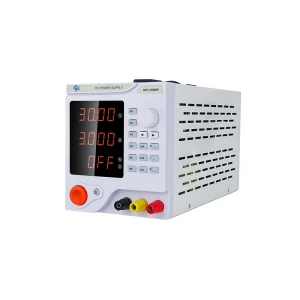
Delivering high-current configurations engineered for heavy duty burn-in testing, motor controller drives, electroplating rectifiers, and industrial component certification processes.
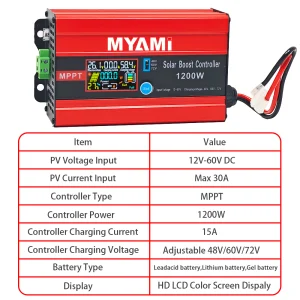
Specialized regenerative battery emulators, variable bi-directional AC loads, and PV simulator setups designed to stress-test Electric Vehicle On-Board Chargers (OBC), Battery Management Systems (BMS), and grid-tied solar inverters.
A deep technical assessment of embedded systems, PCB layouts, and physical considerations when sourcing OEM controllers.
In modern industrial architecture, a Custom OEM Development Board is not simply a microprocessing unit; it acts as the central nervous system of complex electro-mechanical machines. High-performance microcontrollers (MCUs), Field Programmable Gate Arrays (FPGAs), and Application-Specific Integrated Circuits (ASICs) require clean power, optimal signal routing, and rigorous electromagnetic shielding.
When selecting an OEM partner to design and manufacture your custom development boards, engineering teams must evaluate three main facets of signal and power integrity:
The table below demonstrates the standard manufacturing tolerances and capabilities of Shenzhen Myami Power Technology’s high-precision design workflows for custom boards.
| Parameters | Standard Capabilities | Advanced & High-Reliability Options |
|---|---|---|
| Layer Count | 2 to 8 Layers (FR4) | Up to 32 Layers / Metal-Clad Base PCBs |
| Minimum Trace Width / Spacing | 0.1 mm (4 mil) | 0.075 mm (3 mil) for ultra-high-density boards |
| Copper Thickness | 1 oz (35 µm) | Up to 6 oz (heavy copper power distribution) |
| Surface Treatment Options | HASL Lead-Free, OSP | ENIG (Electroless Nickel Immersion Gold), Hard Gold plating |
| Impedance Control Tolerance | ±10% | ±5% (for high-speed high-frequency signal paths) |
| Environmental Protections | Standard Conformal Coating | Silicone/Polyurethane potting for IP67/IP68 deployments |
How the geographical concentration of supply chains and SMT facilities in Shenzhen benefits global enterprise procurement teams.
The Shenzhen electronics manufacturing cluster represents a highly integrated supply network. For custom OEM development boards and precision power supply components, sourcing from a Shenzhen-based facility offers unmatched efficiency benefits:
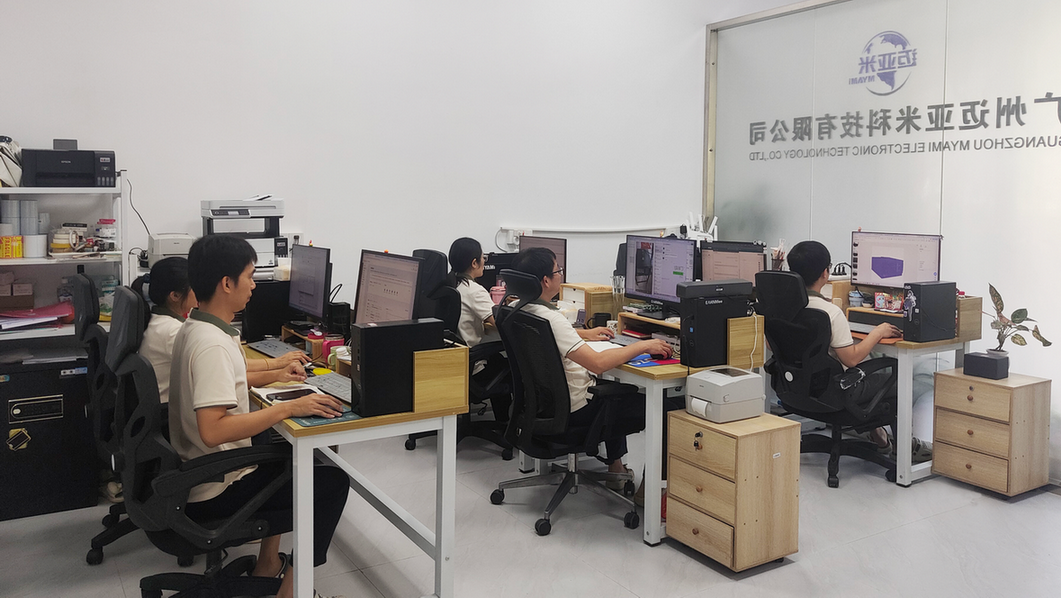
MYAMI leverages this localized advantage by placing its central R&D office and manufacturing plants right inside this ecosystem, allowing us to perform fast hardware iterations and maintain competitive lead times for custom power supplies and development systems.
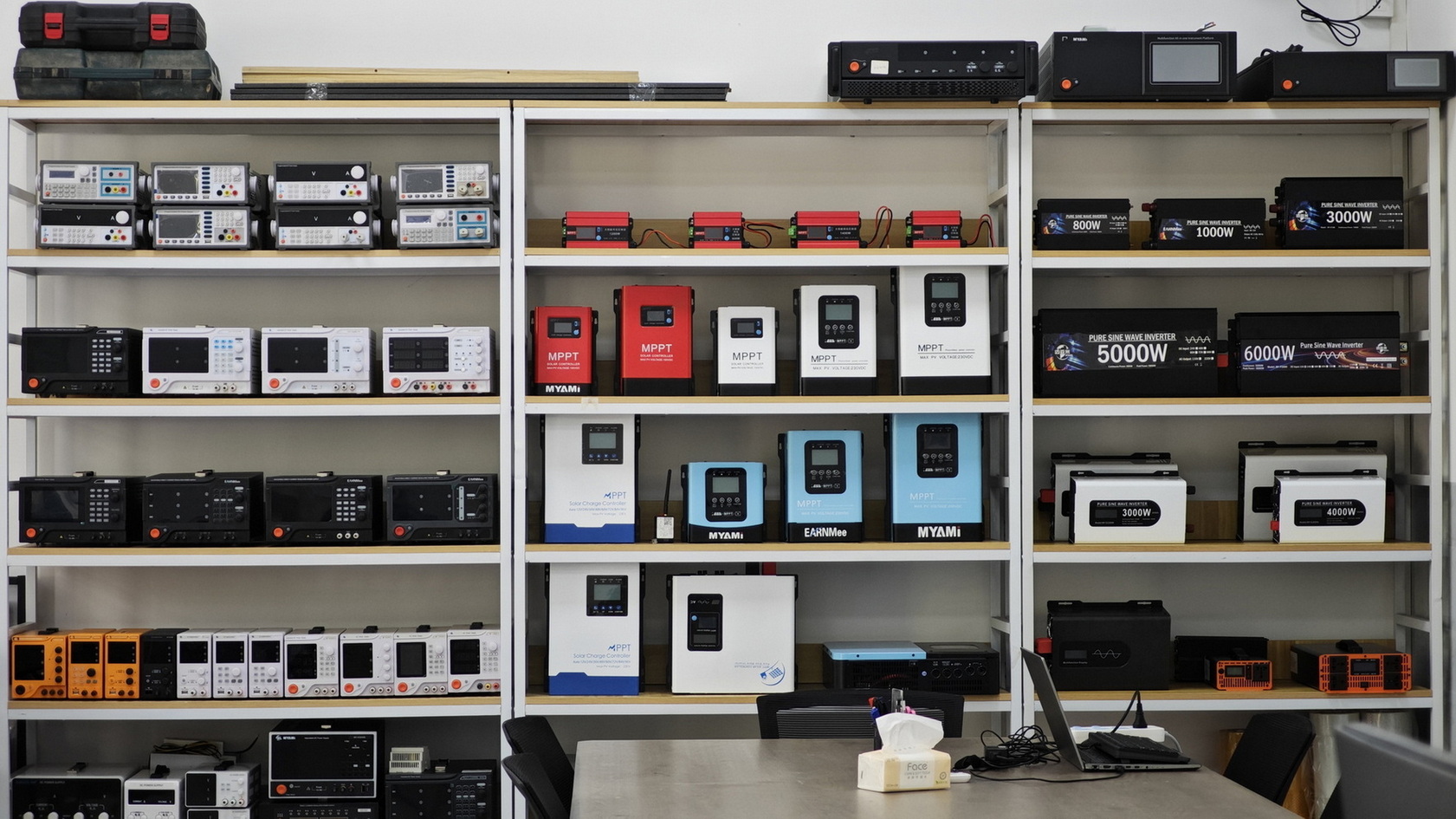
From initial design layout to final high-pot safety testing and packaging calibration, our processes ensure operational integrity.
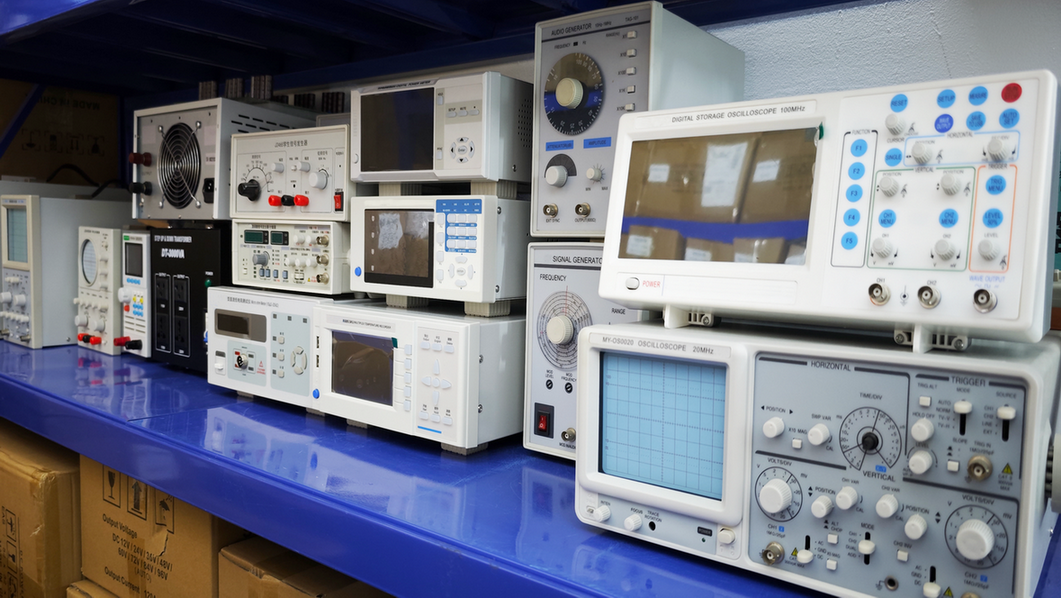
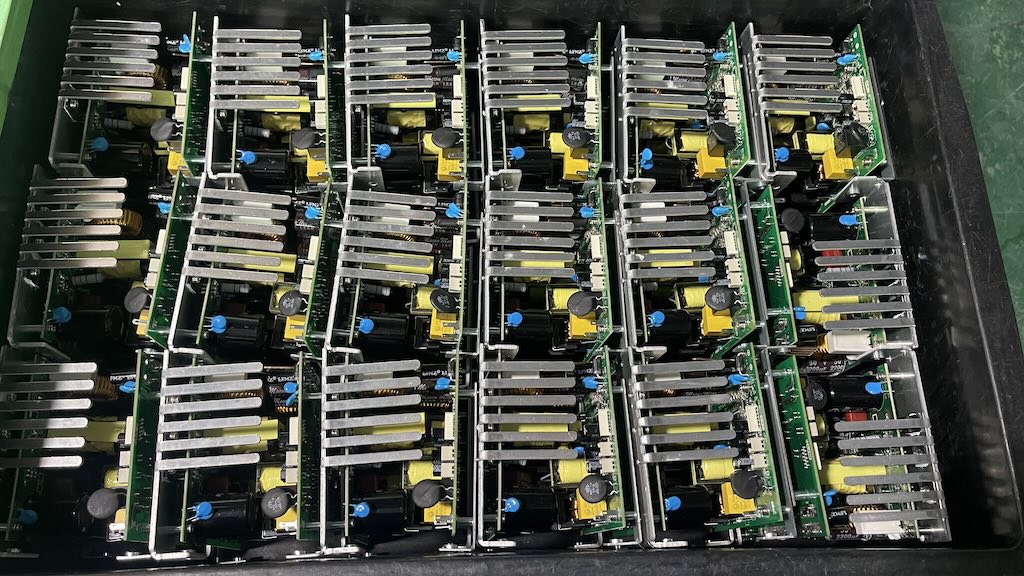 Raw Material
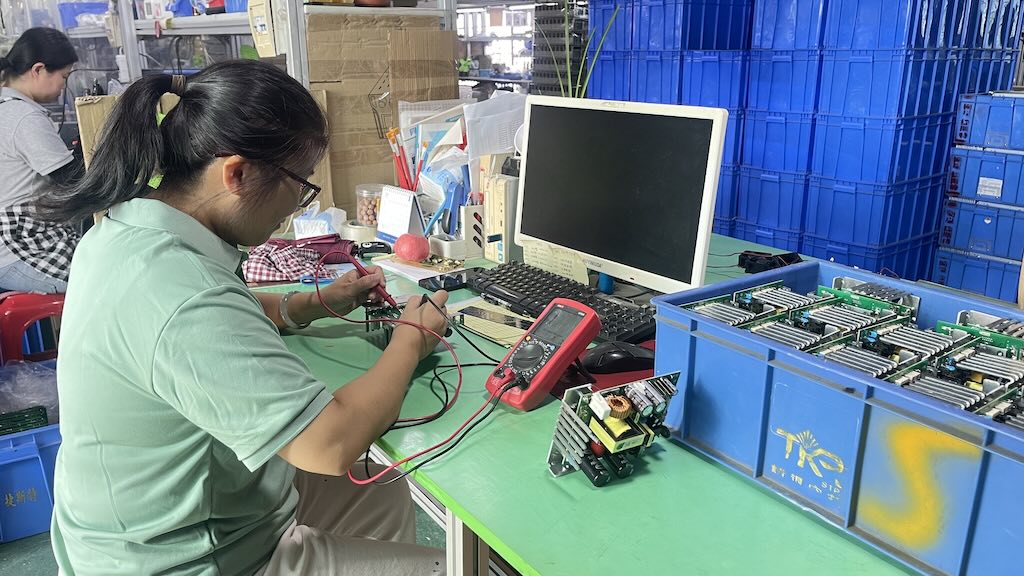 PCB Checking
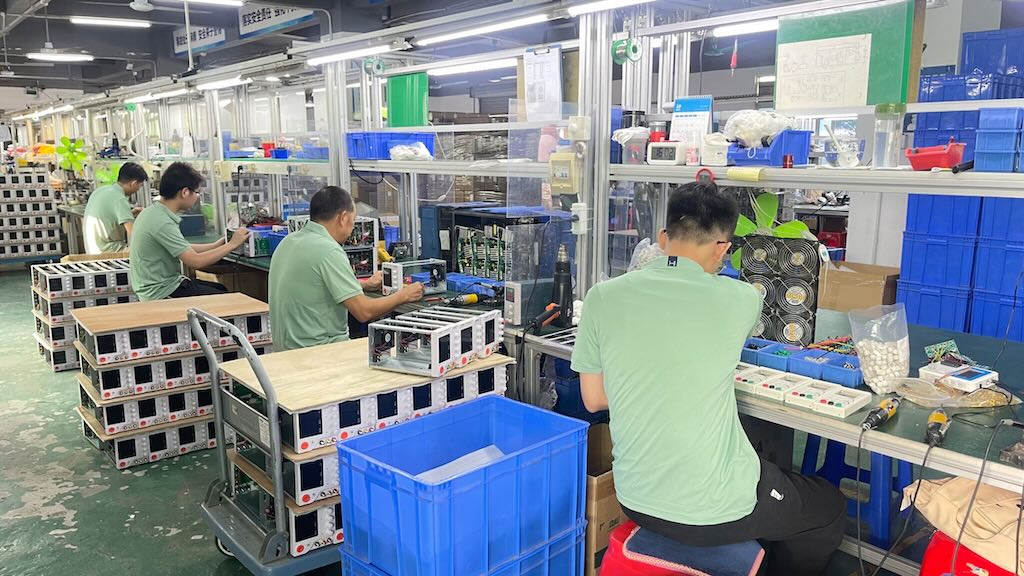 Assembling
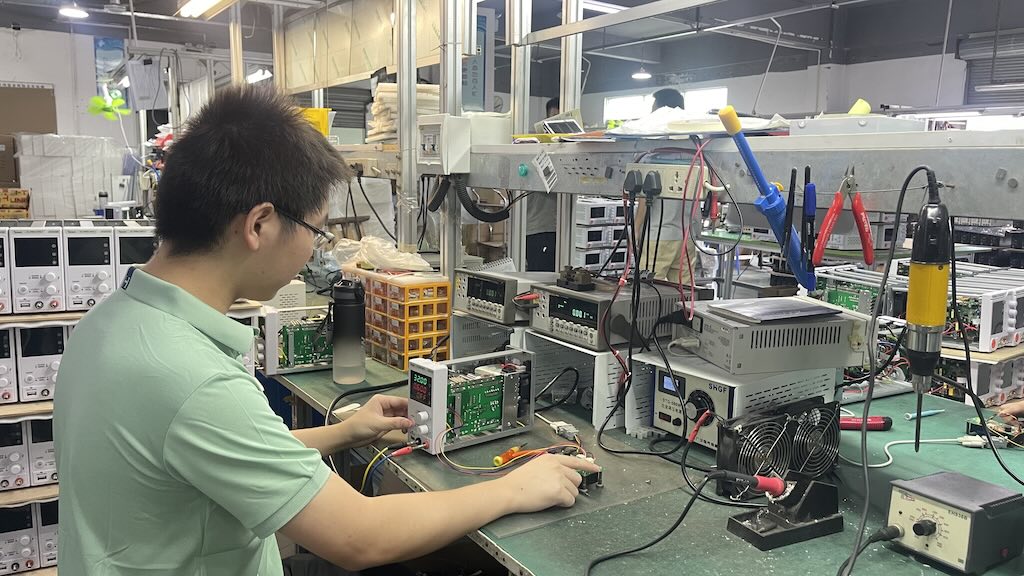 Debug
Debug
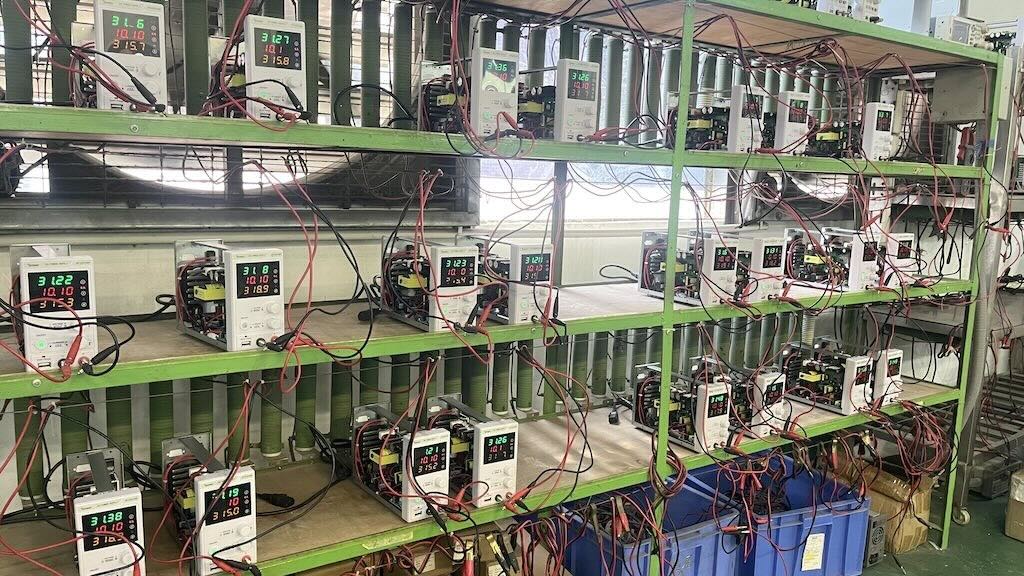 Aging
Aging
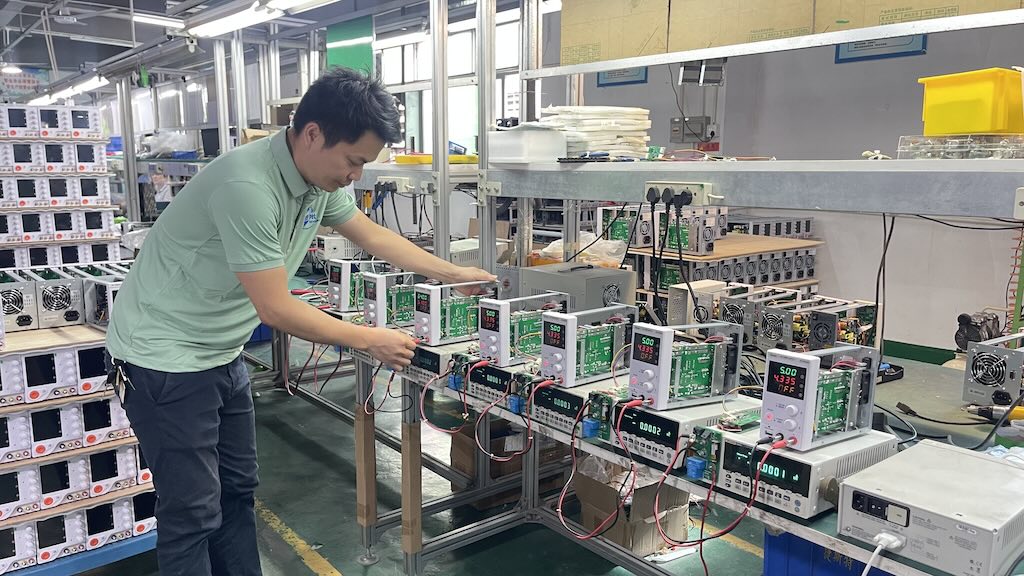 Calibration
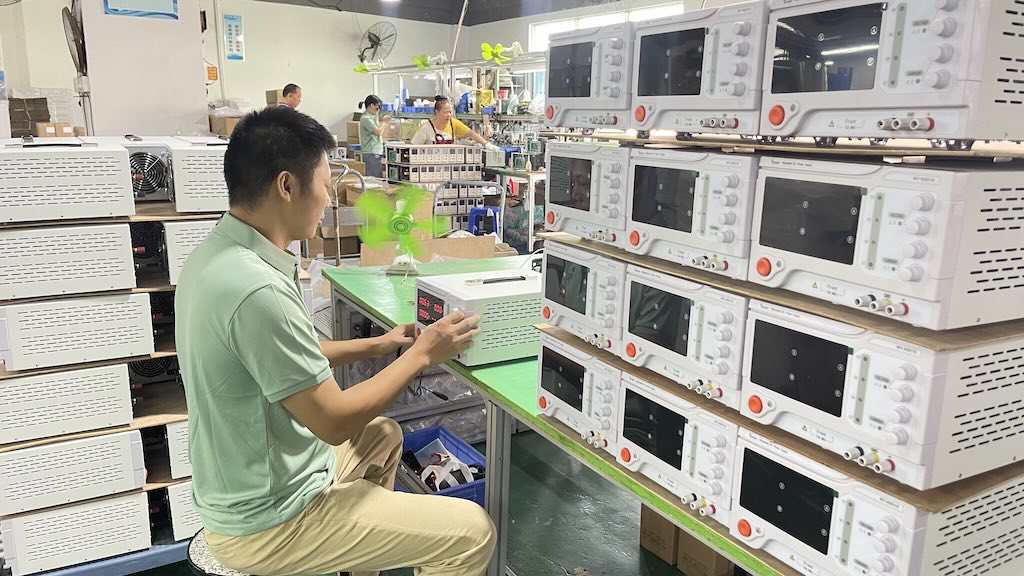 QC checking
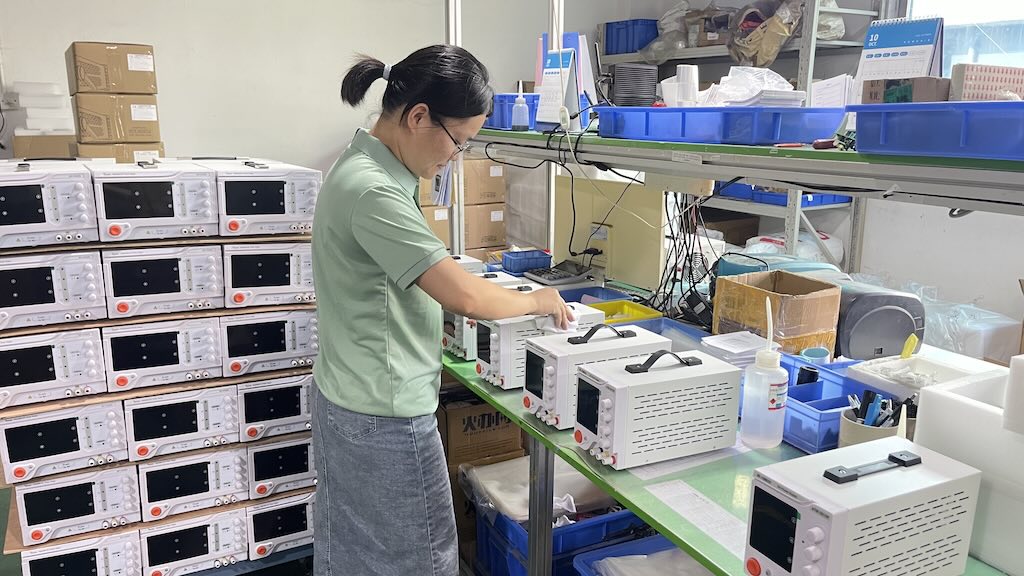 Packing
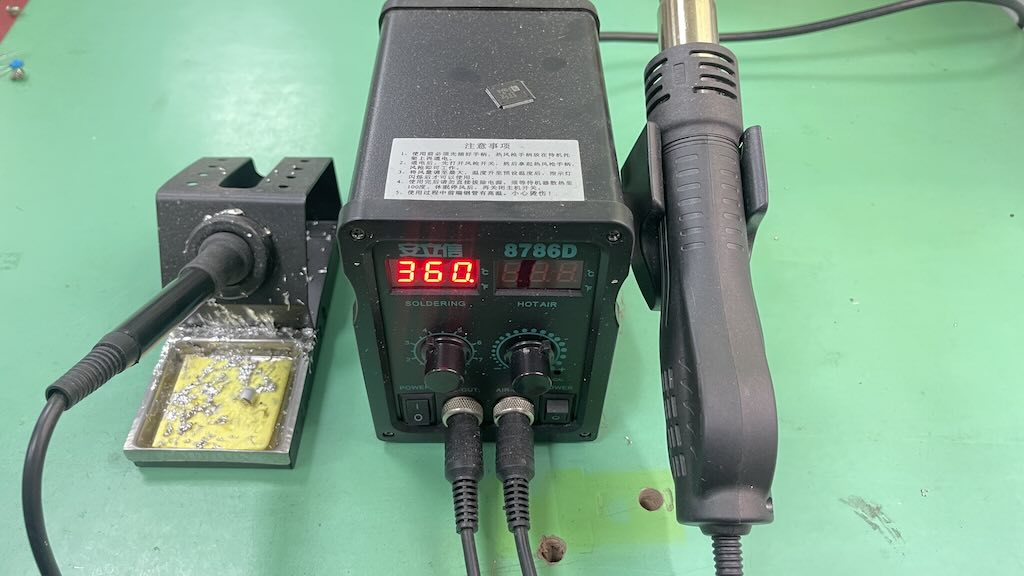 Soldering Station
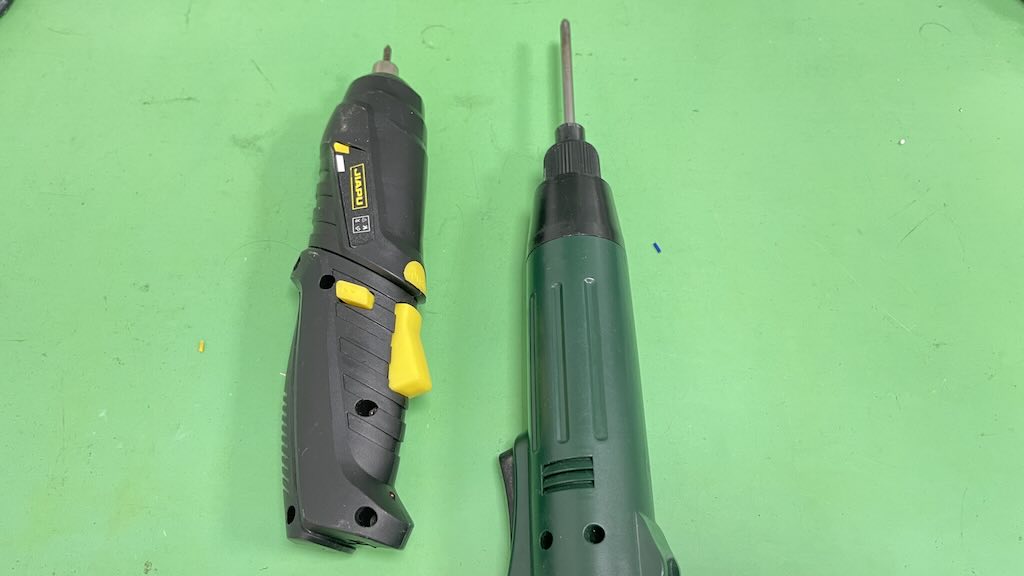 Electronic Screwdriver
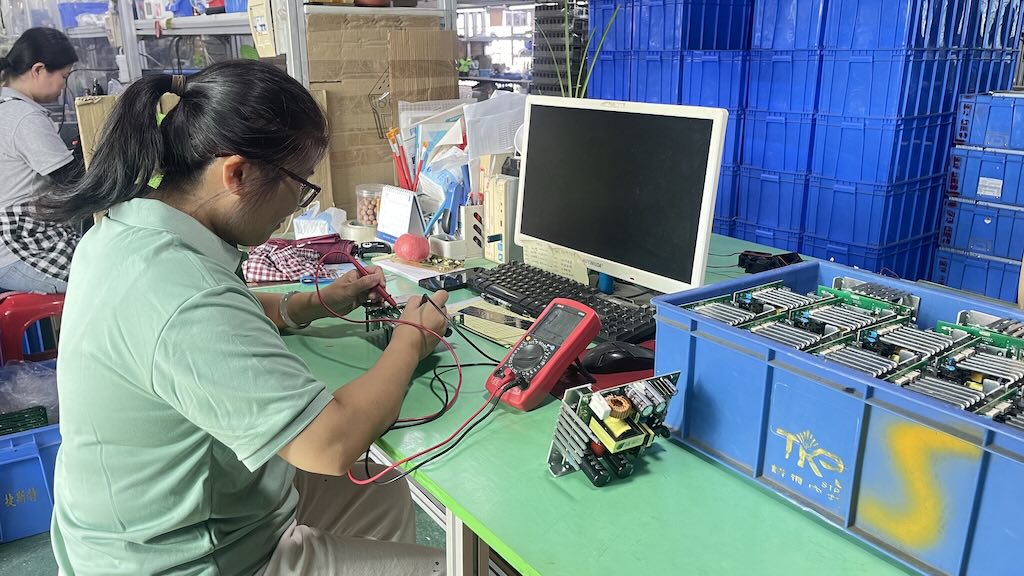 PCB Check
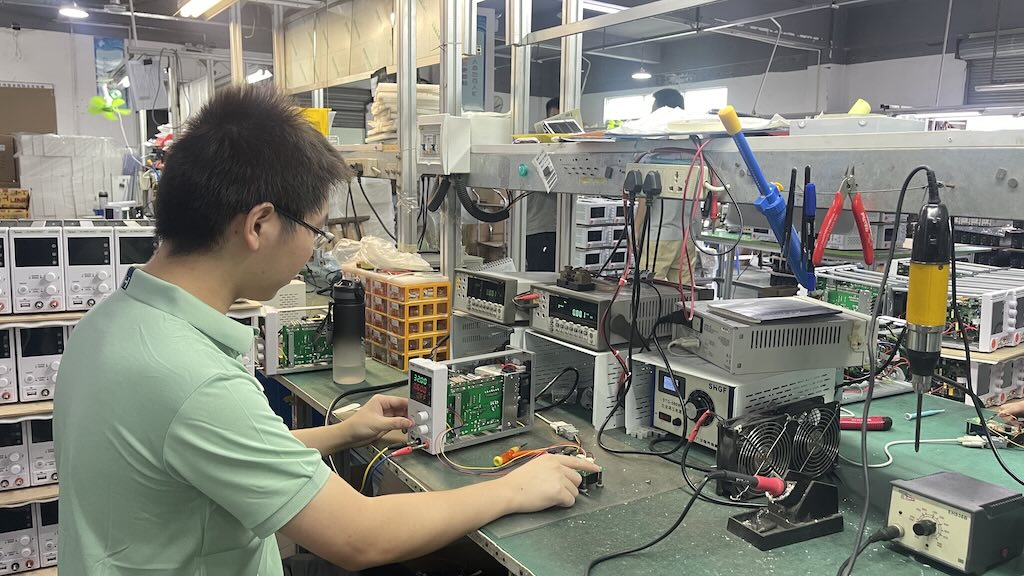 Debug
Debug
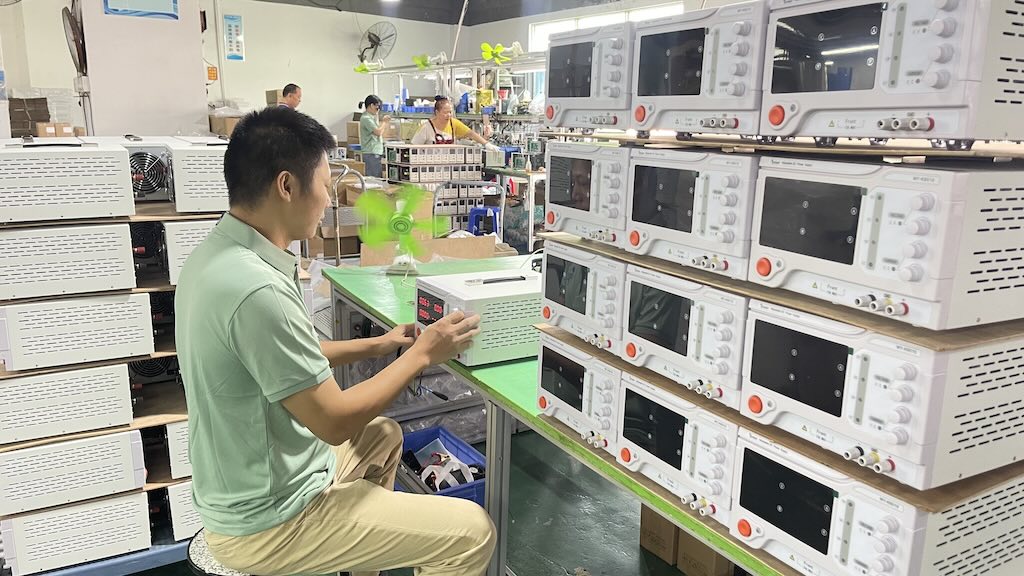 QC check
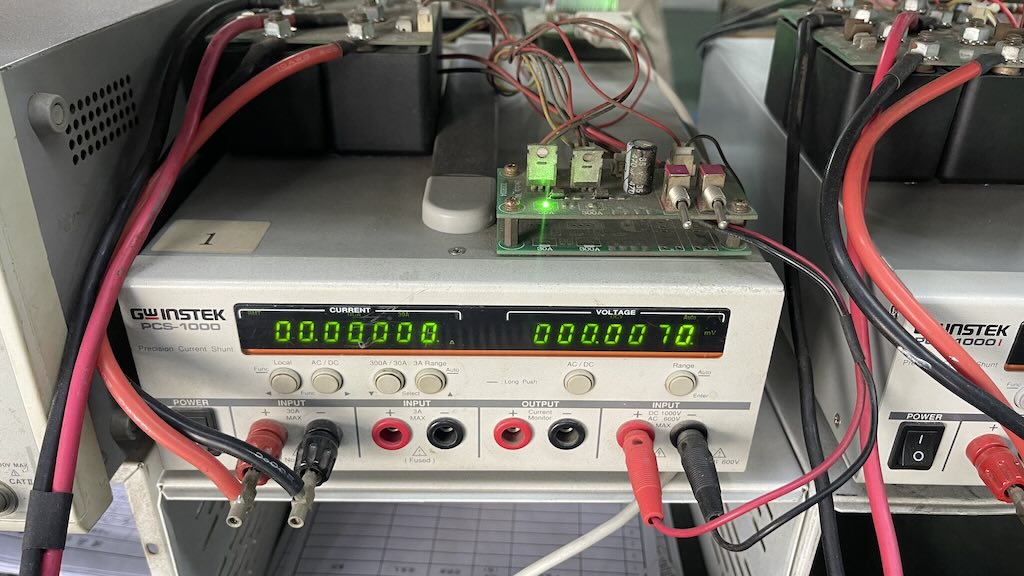 Multimeter
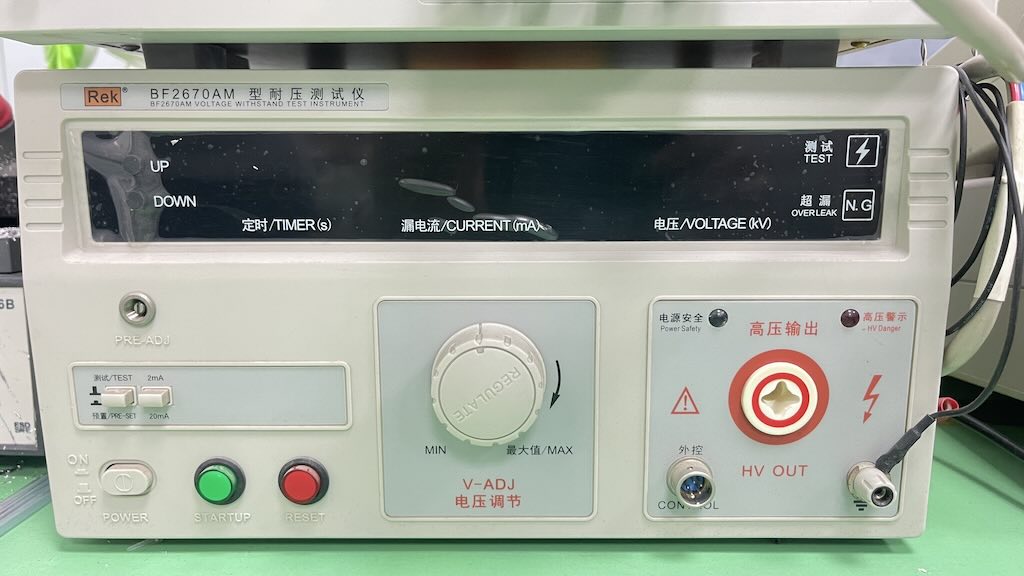 Hi-pot Tester
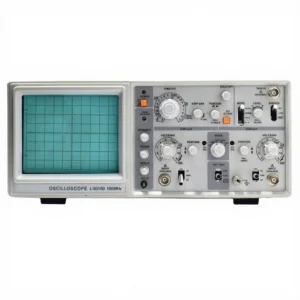
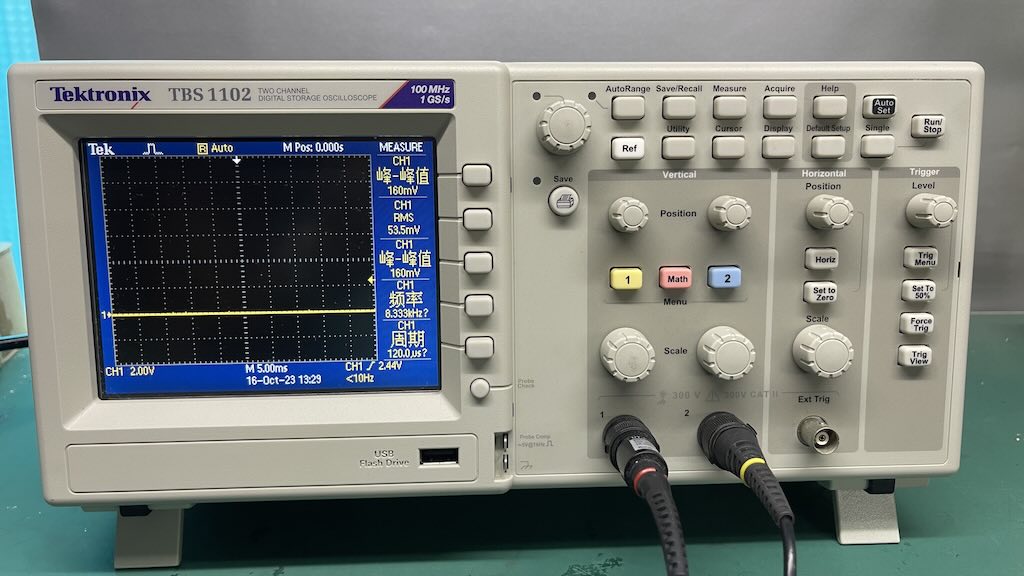 Oscilloscope
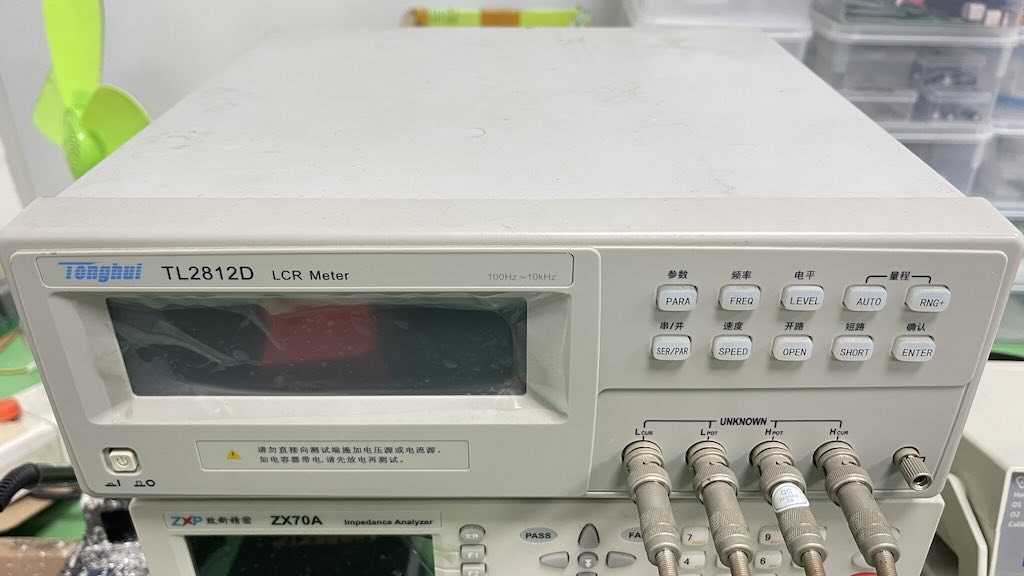 LCR Meter
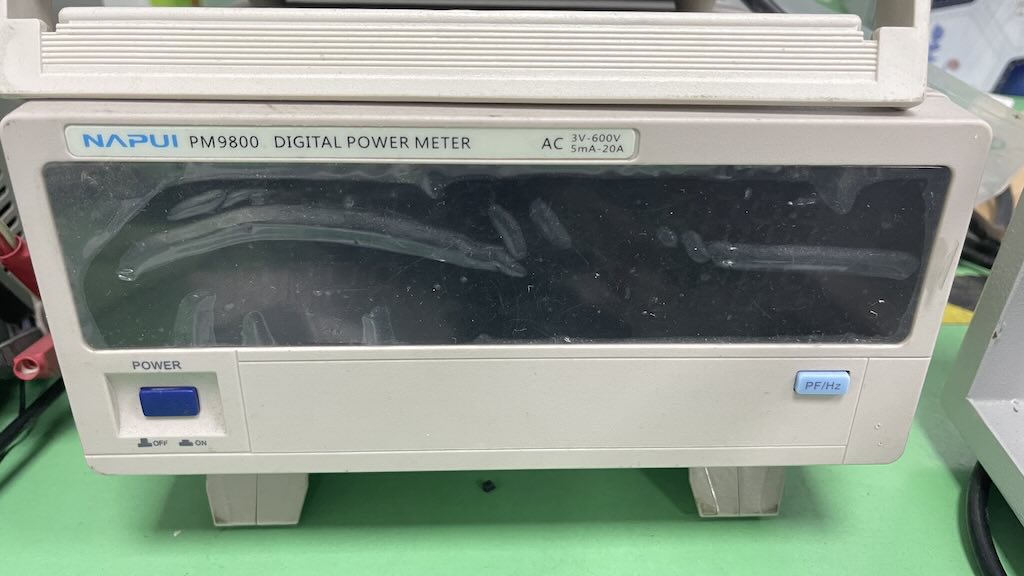 Digital power meter
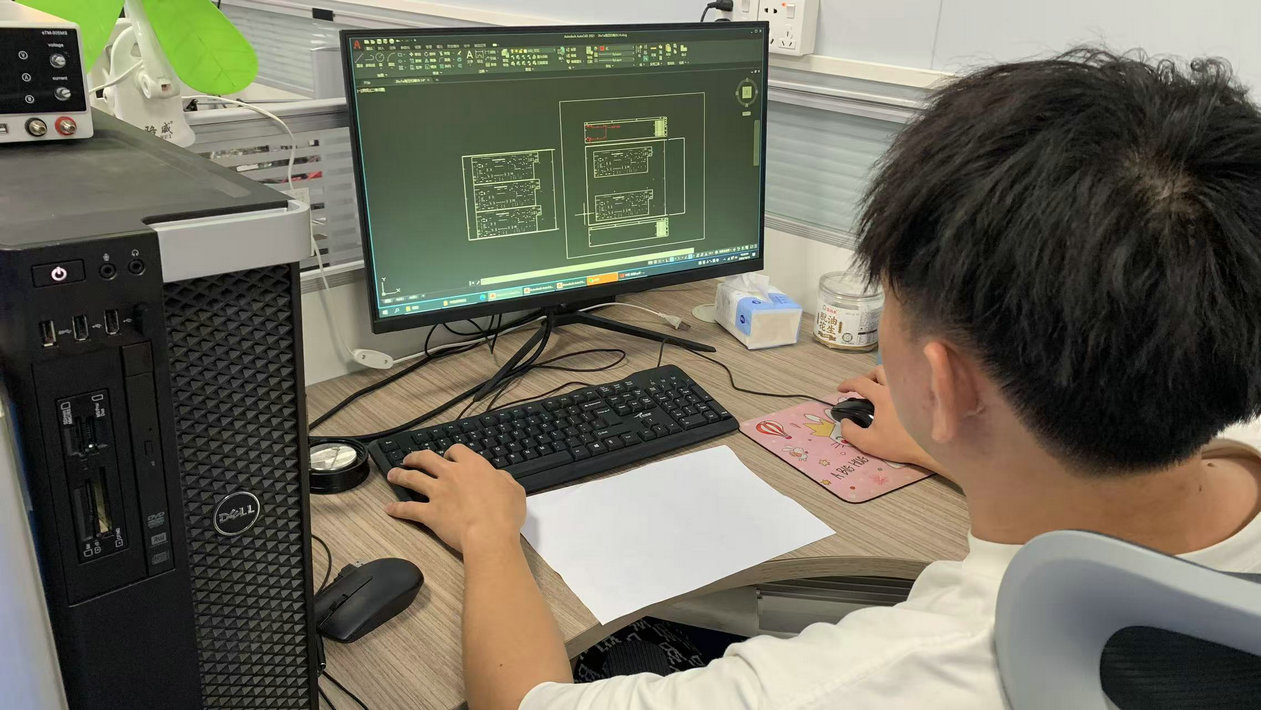 Design
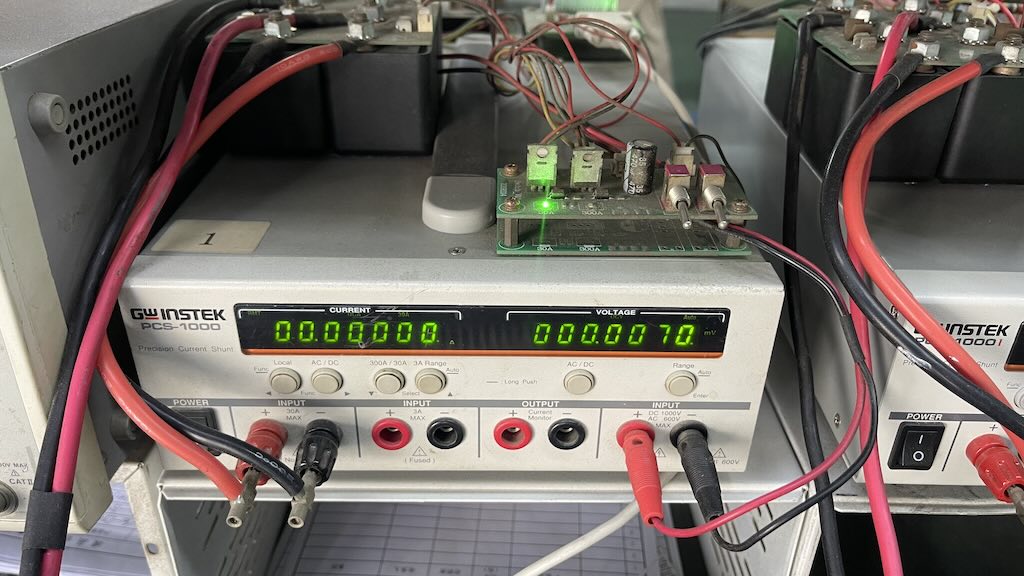 Multimeter
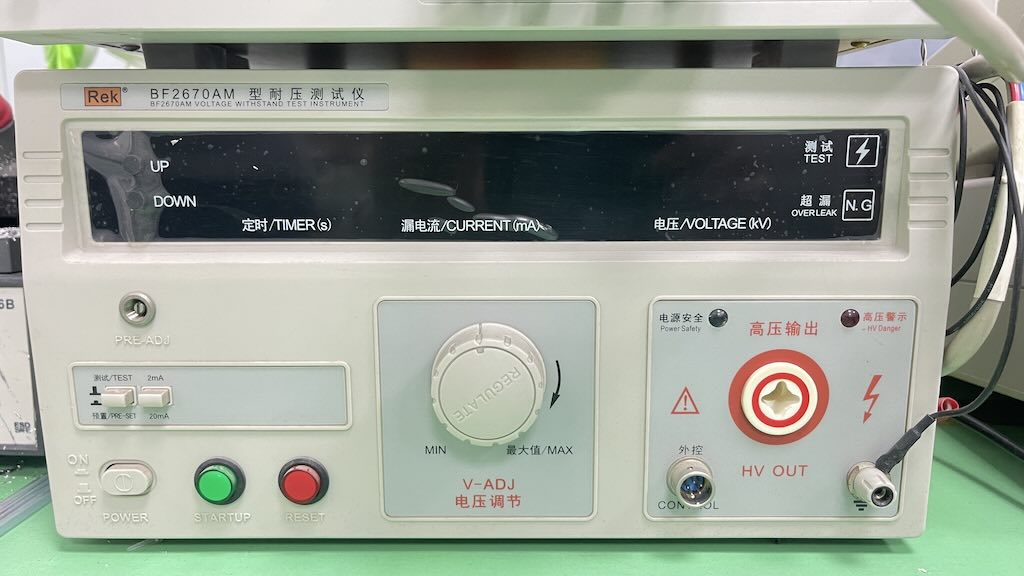 Hi-pot Tester
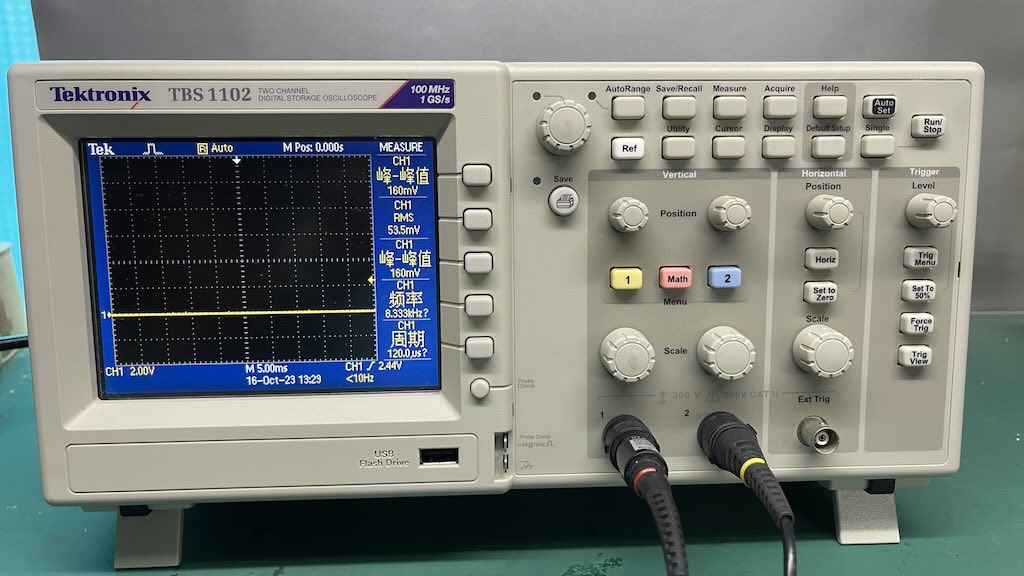 Oscilloscope
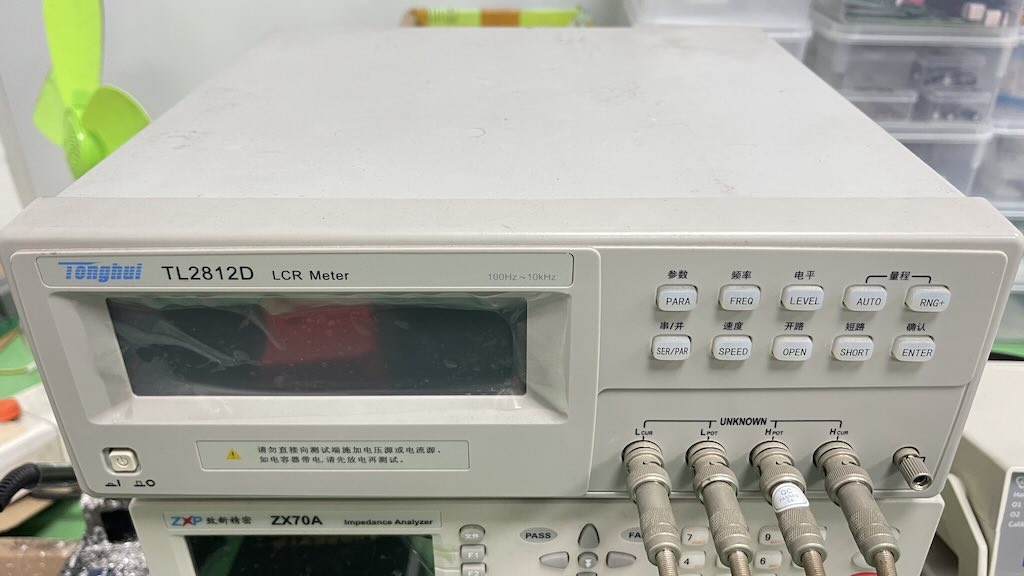 LCR Meter
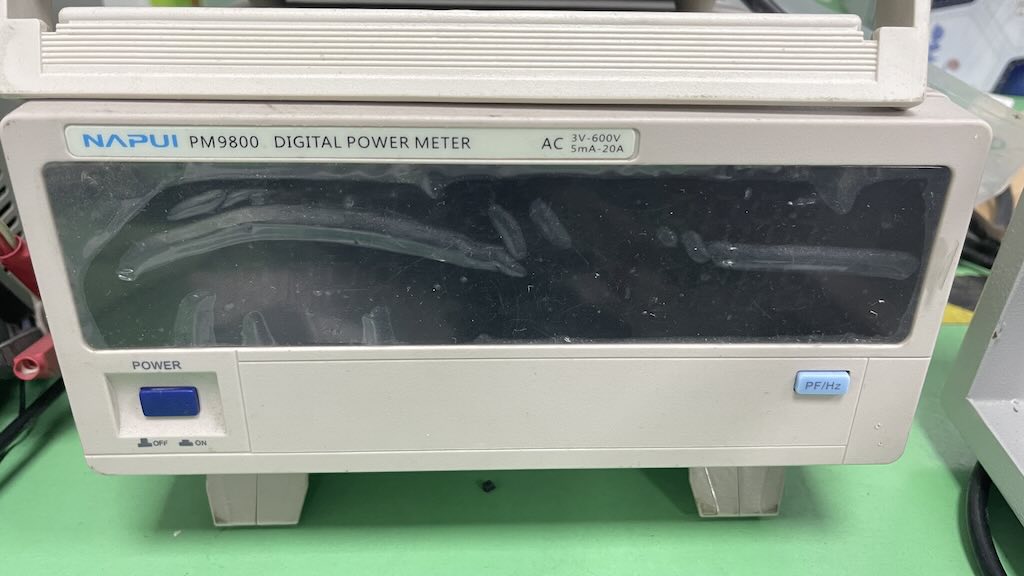 Digital power meter
Our power supply systems and development platforms deploy across critical industrial sectors globally.
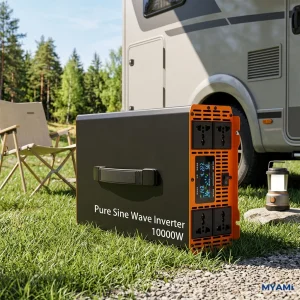
Integration of high-capacity MPPT solar charge controllers and sine wave hybrid solar inverters into utility-scale solar arrays and off-grid remote energy infrastructure. These systems optimize the load-discharge characteristics of LiFePO4 and Lead-Acid storage systems.
Custom programmable DC power supplies serving as stable testing lines for RF transceivers, flight control electronics, and auxiliary servo controllers, where ultra-low ripple voltage is essential to prevent signal crosstalk.
Providing high-voltage testing sources simulating battery cell degradation and fluctuating DC rails to qualify automotive-grade PCBs, microcontrollers, and central CAN controllers before deployment.
To assist procurement and engineering managers in streamlining sourcing operations for OEM/ODM hardware, we outline our compliance protocols.
Before entering mass production, every custom development board or specialized power system must pass DVT. This phase encompasses thermal shock testing (operating in extremes from -40°C to +85°C), vibration table testing to simulate transport and operating stress, and Electrostatic Discharge (ESD) resistance checks up to 15kV to ensure protection against operational transients.
Industrial products require a long-term support footprint of 7 to 10 years. Our engineering team selects components from Tier-1 silicon manufacturers with guaranteed lifecycles. We issue PCNs (Process Change Notifications) 12 months before any component reaches End-of-Life (EOL), recommending drop-in replacements to prevent supply disruptions.
Our quality management system is structured in strict alignment with ISO 9001:2015 standards. This system governs our assembly lines, component intake validation, and customer support loops. Furthermore, every batch is checked for lead-free compliance (RoHS) and electromagnetic emission limits (CE certification).
In-depth responses to common technical queries related to custom electronics manufacturing and laboratory test equipment.
We customize voltage limits (up to 1000V), current capacities (up to 500A), output terminals (front binding posts vs. rear busbars), and communication interfaces (RS485, RS232, CAN, or GPIB with SCPI command sets). We can also build multi-channel output systems housed within standard 19-inch racks.
During layout design, we run 2D and 3D electromagnetic simulators to verify differential pair impedances (typically 90 ohms for USB, 100 ohms for Ethernet). Trace geometry, layer stackup, and copper weight are precisely calculated, and we use high-speed Polar instruments to measure trace impedance on production coupons.
The aging process targets infant mortality failure modes in electronic components. Power supplies and development boards are loaded to full operational capacity inside a high-temperature chamber (45°C - 50°C) for 8 to 24 hours. Weak components fail during this phase, preventing field failures.
Yes. All programmable power supplies integrate Modbus and SCPI communication protocols. We provide direct API DLLs, Python libraries, and sample code to facilitate rapid integration into LabVIEW, MATLAB, or custom automated test benches.
We use active electronic loads, bi-directional source-sink supplies, and multi-channel data acquisition systems to track load regulation, thermal dissipation patterns, and transient response under step-change conditions.
Select specialized equipment for solar system testing, battery evaluation, and high-load power conversion.

 Myami Power